Trump rallies in PNW races while candidates keep distance
With polls open in the Pacific Northwest, the president's 'pretend I'm on the ballot' plea clashes with low approval ratings and candidate caution.
By Aiko Brooks ·
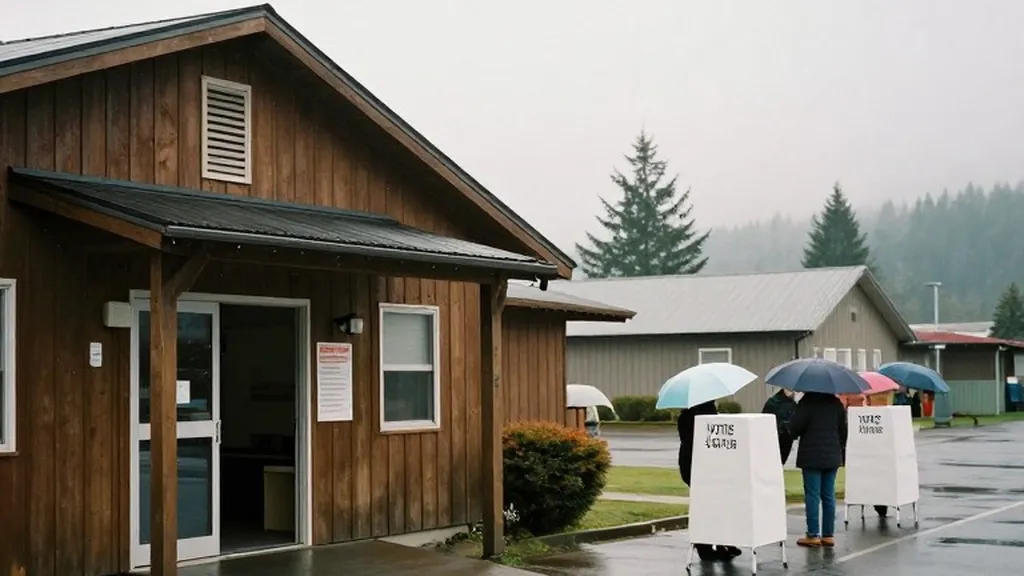
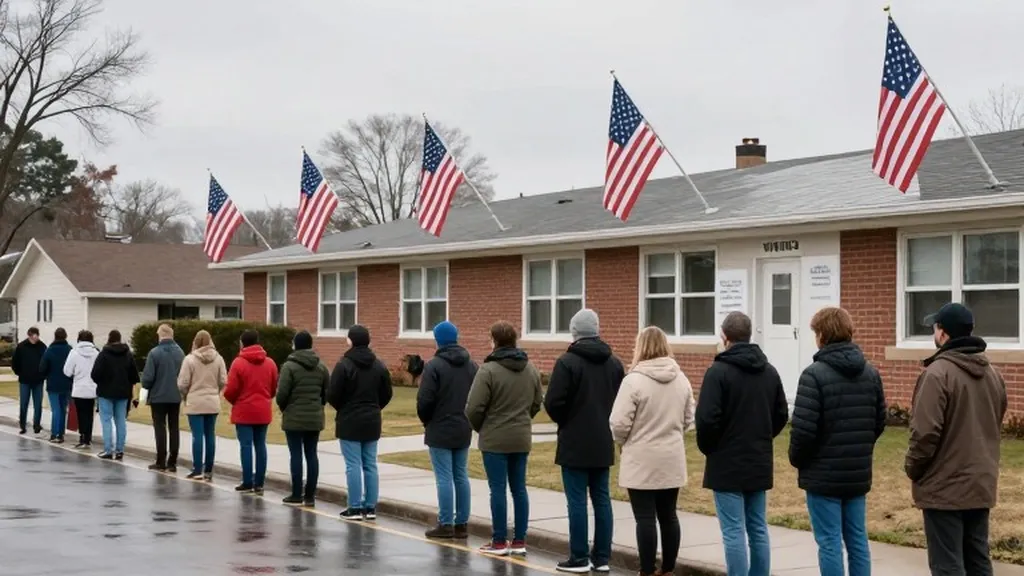
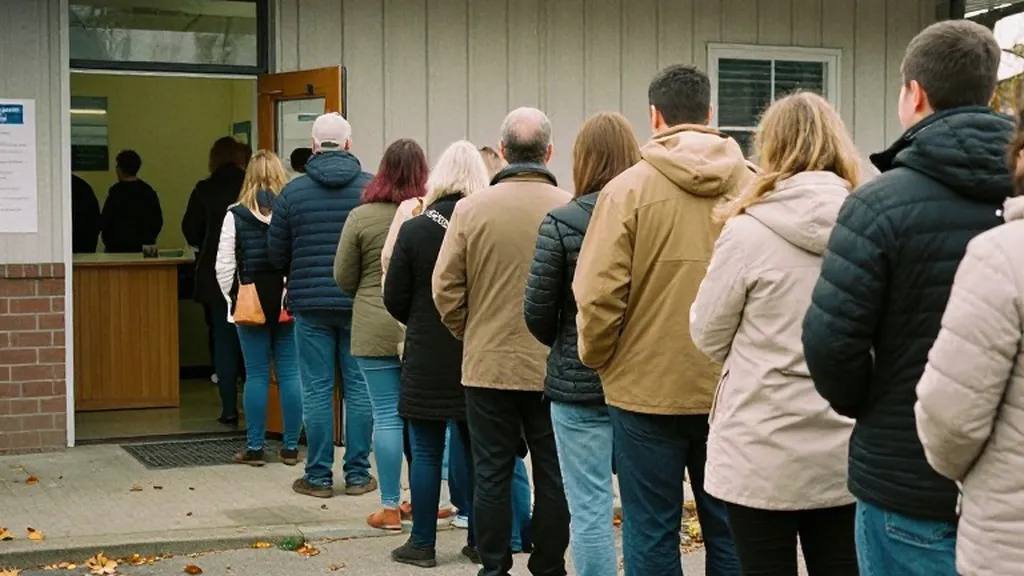
Election Day has arrived in the Pacific Northwest, with voters in Washington, Oregon, Idaho, Alaska, and Hawaii heading to the polls to decide control of Congress. The Associated Press describes the 2026 midterm as a referendum on President Donald Trump's second term, a characterization that resonates strongly in these states. While Washington state voters face a high turnout in a mail-in system where polls close at 8 p.m., Oregon and Idaho have open Senate and governor races that are drawing national attention. The outcome will determine who holds the gavel in Washington for the final two years of the current administration's term.
President Trump has been active in the campaign cycle, holding dozens of rallies across the country to boost turnout for his party. His schedule recently included stops in Mississippi, South Carolina, and Texas, with his final major event on Sunday in Salina, Kansas. There, he urged supporters to engage deeply with the ballot, telling them he really wants you to pretend I'm on the ballot. This strategy aims to tie local races to his national brand, even though he is not a candidate in the region. The Associated Press notes that his approval rating stands at 35 percent among U.S. adults, a figure that complicates his ability to directly influence swing districts.
In the Pacific Northwest, the dynamic is nuanced. In Alaska, incumbent Senator Dan Sullivan faces a race that is currently rated a toss-up to lean Democratic. The state is also an open seat for governor. In Oregon, voters will select a new senator and a new governor, with polls open from 7 a.m. to 8 p.m. Idaho, where polls are open from 8 a.m. to 8 p.m., sees incumbent Senator Jim Risch and Governor Brad Little seeking re-election. Hawaii, with its polls closing at 7 p.m., has incumbent Governor Joshua Green running for another term. These races are being watched closely as barometers for the broader midterms.
Despite the president's energetic campaigning, many Republican candidates in the region have kept their distance from Trump during the final weeks of the campaign. This strategic retreat is evident in how campaigns have managed their messaging, often focusing on local issues rather than national personalities. The Associated Press reports that this distance is a calculated move to appeal to independent voters who may feel ambivalent about the president's approval numbers. With about 7 in 10 Americans saying the country is heading in the wrong direction, candidates are navigating a delicate balance between aligning with the party leader and distancing themselves from unpopular national trends.
The approval numbers present a challenge for the administration. While 35 percent of adults approve of Trump's job performance, only 25 percent approve of his handling of the economy. The Associated Press notes that most voters blame the president for high prices, a sentiment that is particularly acute in the Pacific Northwest where the cost of living remains a top concern. This economic anxiety is driving voter behavior in states like Oregon and Washington, where mail ballots are the primary method of voting. The high volume of early votes, surpassing four years ago in many states, suggests that voters have already cast their ballots based on these economic realities before the final rally stops.
Amid the vote count, the administration has continued to make claims about voting fraud, including assertions that noncitizens vote in large numbers. The Associated Press notes that these claims have led to legal actions, with the administration suing in Alaska and California. In Alaska, the Trump administration filed a lawsuit related to the certification of the Senate result, adding a layer of legal complexity to the election night in that state. Critics argue that these moves risk disenfranchising eligible voters, while supporters see them as necessary steps to ensure election integrity. The Justice Department has also threatened to prosecute local election officials, a move that Democrats fear could intimidate local officials during a close count.
In Washington state, the election is largely conducted by mail, with polls closing at 8 p.m. to process these ballots. The state has no Senate or governor races this cycle, making the House races the primary focus. In Oregon, the open Senate and governor seats are critical, with polls open from 7 a.m. to 8 p.m. Idaho’s polls are open from 8 a.m. to 8 p.m., and the state has both a Senate and a governor race with incumbents. Alaska’s polls are open from 7 a.m. to 8 p.m., and the state has a Senate race with an incumbent and an open governor seat. Hawaii’s polls close at 7 p.m., and the state has a governor race with an incumbent but no Senate race. These varying timelines mean that results will come in at different times across the region.
The mood in the region reflects the national sentiment of cautious optimism for Democrats and bracing for losses for Republicans. The Associated Press reports that Republicans are fighting to hold the Senate, with one or two seats potentially tipping the balance. In the Pacific Northwest, the toss-up ratings in Alaska and the open seats in Oregon make these states pivotal. The campaign spending has been record-breaking, with Republican committees outspending Democrats at the committee level, though Democrats have outraised their opponents at the candidate level. This financial disparity is evident in the television ad spending, with 88.1 percent of Republican general election TV ad spending going to states and districts that Trump won in 2024.