Governor races split evenly as 19 open seats define midterm stakes
With Republicans and Democrats each holding 18 of the 36 governorships on the ballot, voters in nine battleground states will decide the balance of power for the nation's executive branch.
By Rebecca Foster ·
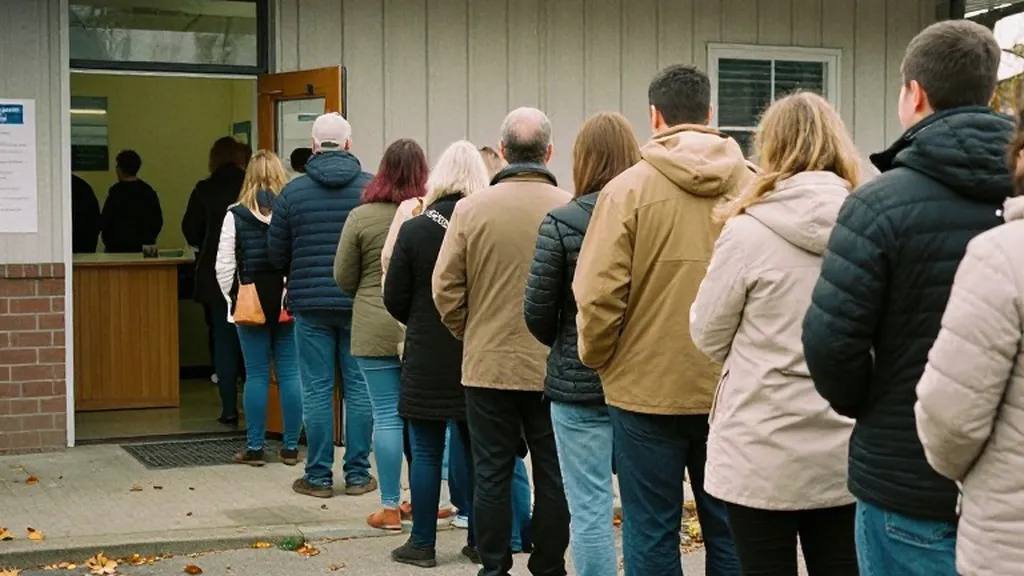
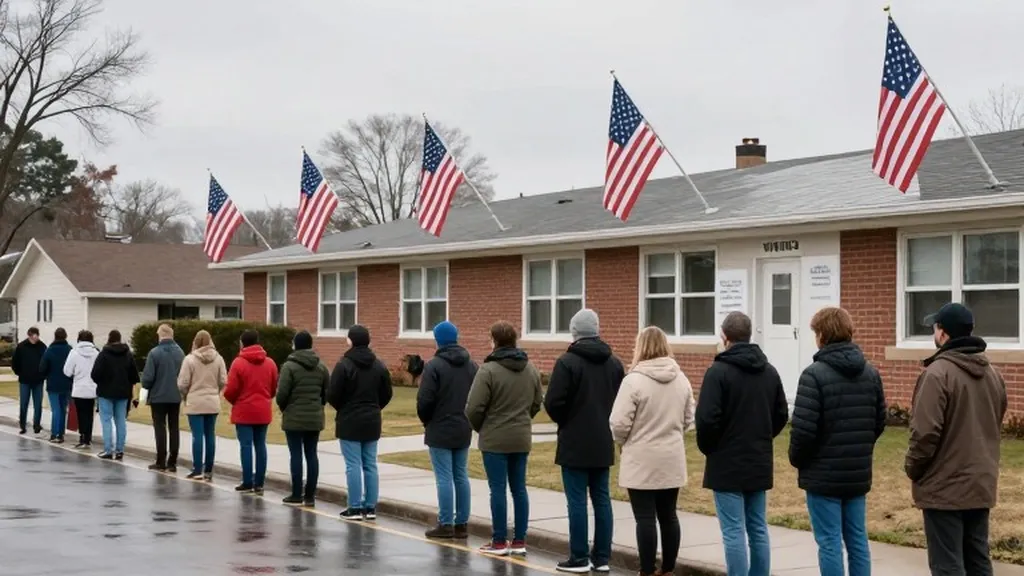
The 2026 midterm election presents a uniquely balanced contest for state leadership, with Republicans and Democrats each currently holding 18 of the 36 governorships up for election. This even split means that the outcome of these races will determine which party controls the majority of the nation's executive branch for the next four years. Democrats require a net gain of two governorships to achieve a nationwide majority, a position Republicans have maintained since 2010. The stakes are high as voters head to the polls across the country to decide who will lead their states through the final two years of President Donald Trump's second term.
A significant portion of these contests, specifically 19 races, feature no incumbent governor on the ballot, creating an open field for challengers and new candidates. Ballotpedia notes that 15 of these governors are term-limited and cannot seek reelection. In Iowa, Governor Kim Reynolds chose not to run again, while Minnesota's Governor Tim Walz and Wisconsin's Governor Tony Evers also opted out. Rhode Island's Governor Daniel McKee lost his primary, adding to the number of open seats. These vacancies allow parties to introduce new faces and potentially reshape the political landscape in states that have been stable under previous leadership.
Nine states are considered battlegrounds for governor, where the outcome could swing either way. Ballotpedia identifies Alaska, Arizona, Georgia, Iowa, Kansas, Michigan, Nevada, Ohio, and Wisconsin as key races. In these states, the margin of victory may be tight, and local issues often outweigh national sentiment. The Associated Press and PBS NewsHour have highlighted specific matchups that are drawing national attention, such as the race in Georgia where Republican health care executive Rick Jackson faces Democratic former Atlanta Mayor Keisha Lance Bottoms to succeed Brian Kemp. These contests are crucial for parties looking to flip seats or defend their current holdings.
In the Pacific Northwest, voters in Oregon and Alaska will make critical decisions regarding their state's executive leadership. Oregon holds an open governor's race, meaning no incumbent is running to retain the seat. This allows both parties to present their strongest candidates without the baggage of an incumbent's record. Meanwhile, Alaska also features an open governor's race, adding another layer of uncertainty to the region's political map. In Idaho, incumbent Governor Brad Little is running for reelection, providing a contrast to the open seats in neighboring states. Hawaii is holding onto its current leadership as incumbent Governor Joshua Green seeks another term.
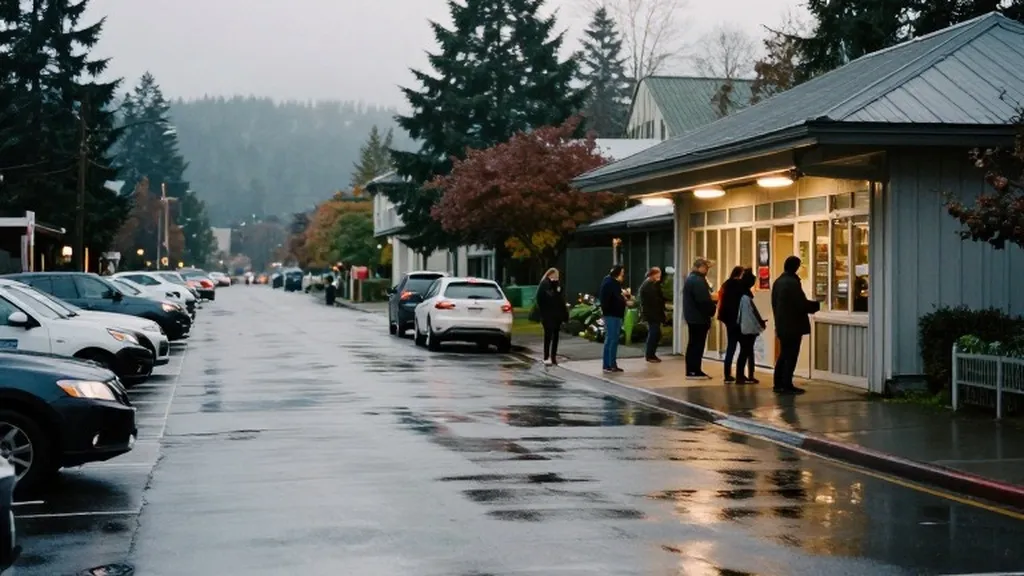
The political mood in these races is influenced by the broader national context, which the Associated Press describes as a referendum on the current administration. Voters are grappling with high prices and expressing anger over an unpopular war with Iran. AP-NORC polling indicates that 35% of U.S. Adults approve of President Trump's job performance, while about 7 in 10 say the country is heading in the wrong direction. This national discontent is filtering down to state races, where candidates are debating the cost of living and economic stability. In the Pacific Northwest, where polls are open until 8 p.m. In Oregon and Alaska, voters are weighing these national pressures against local policy priorities.
Campaign spending in these governor races has reached historic levels, with the 2026 elections likely to be the most expensive in history. Republican committees have outraised and outspent their Democratic counterparts, aided by Trump-affiliated groups and Elon Musk. However, at the candidate level, Democrats have outraised their opponents. This financial disparity is evident in television advertising, where 88.1% of Republican general election TV ad spending went to states and districts that Trump won in 2024. In battleground states, this spending is focused on key demographics to ensure turnout and persuasion. The heavy investment reflects the importance of these governorships in the broader power struggle.
In Ohio, Republican Vivek Ramaswamy is competing against Democrat Amy Acton in a race that has drawn attention due to campaign tactics. Ramaswamy's campaign faced backlash over an ad featuring Acton's estranged mother, a move that highlighted the personal nature of modern political campaigns. In Nevada, Republican Governor Joe Lombardo faces Democratic Attorney General Aaron Ford. These matchups illustrate the diverse strategies candidates are using to connect with voters. The AP calls Texas, Florida, and Iowa competitive governor races, indicating that the fight for control is not limited to a few states but is spread across the nation.
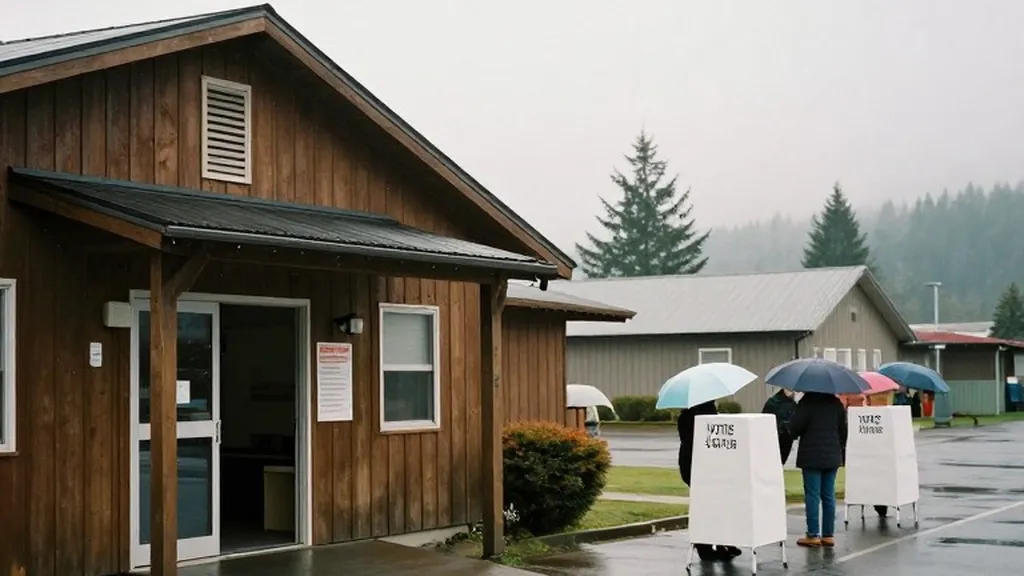
Voters in the Pacific Northwest are preparing for a day of voting that reflects the national trends. In Washington, there is no governor race, but the state's political environment will still be shaped by the outcomes in neighboring states. Oregon and Alaska, with their open governor's races, will see intense campaigning in the final hours before polls close at 8 p.m. Idaho voters will decide on the reelection of Brad Little, while Hawaii voters will choose whether to continue with Joshua Green. The diversity of races in this region, from open seats to incumbent challenges, provides a microcosm of the national election's complexity.
The outcome of these governor races will have long-term implications for policy implementation at the state level. Governors have significant influence over state budgets, infrastructure projects, and regulatory frameworks. A shift in control from one party to the other could lead to changes in education, healthcare, and environmental policies. In states like Michigan and Kansas, which are identified as battlegrounds, the new governor's priorities will likely align with their party's platform, potentially affecting millions of residents. The election results will also influence the dynamics in Congress, as governors from the majority party may have more leverage in negotiations with the federal government.