Pacific Northwest voters weigh Iran war costs in tight 2026 races
From Anchorage to Honolulu, regional races hinge on how the conflict impacts household budgets and foreign policy priorities.
By Aiko Brooks ·
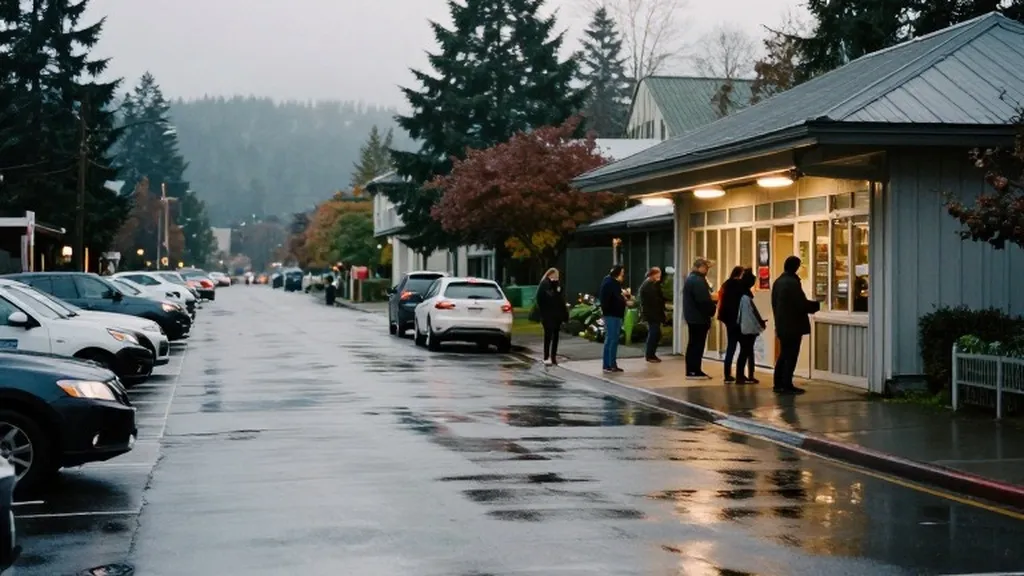
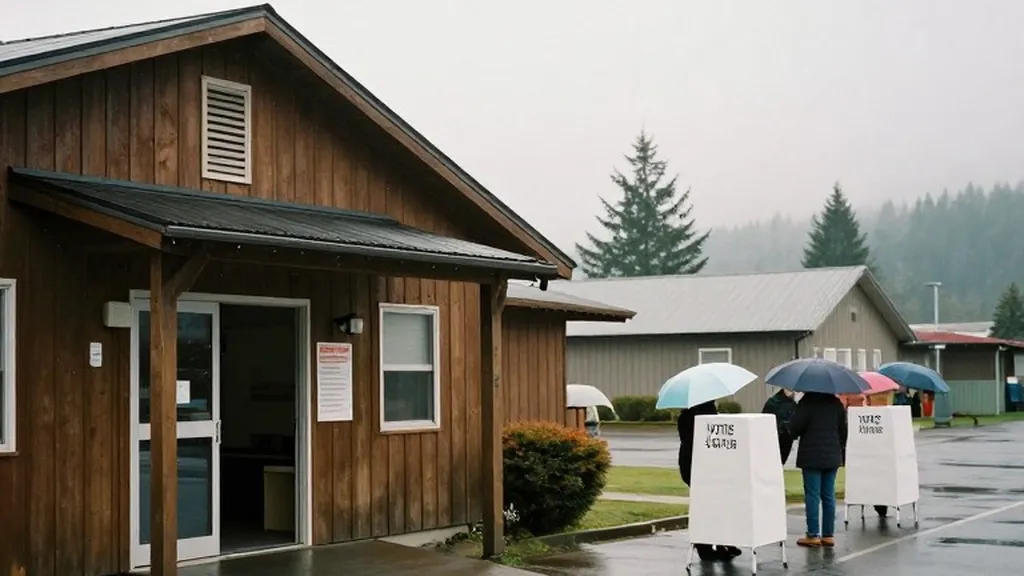
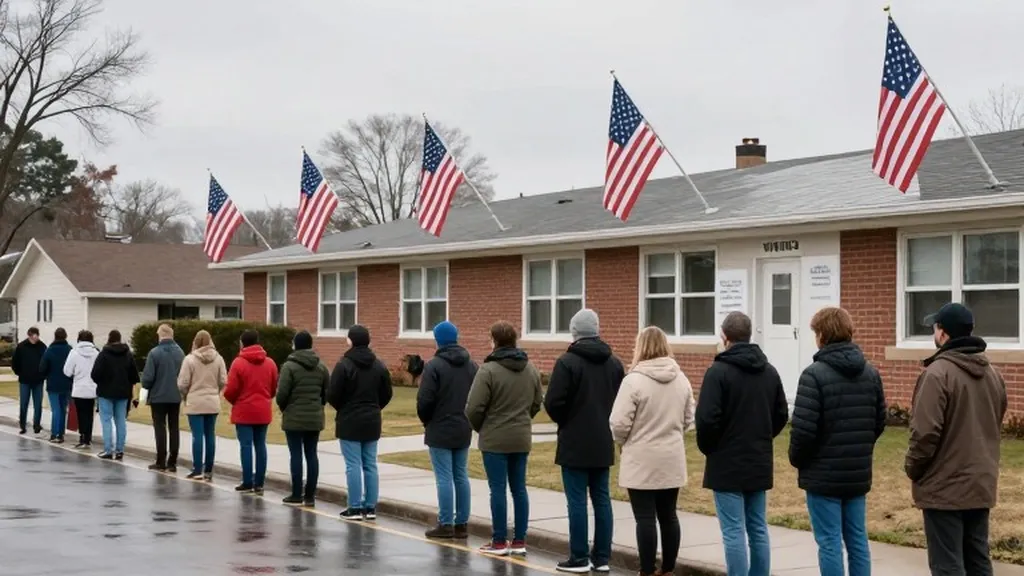
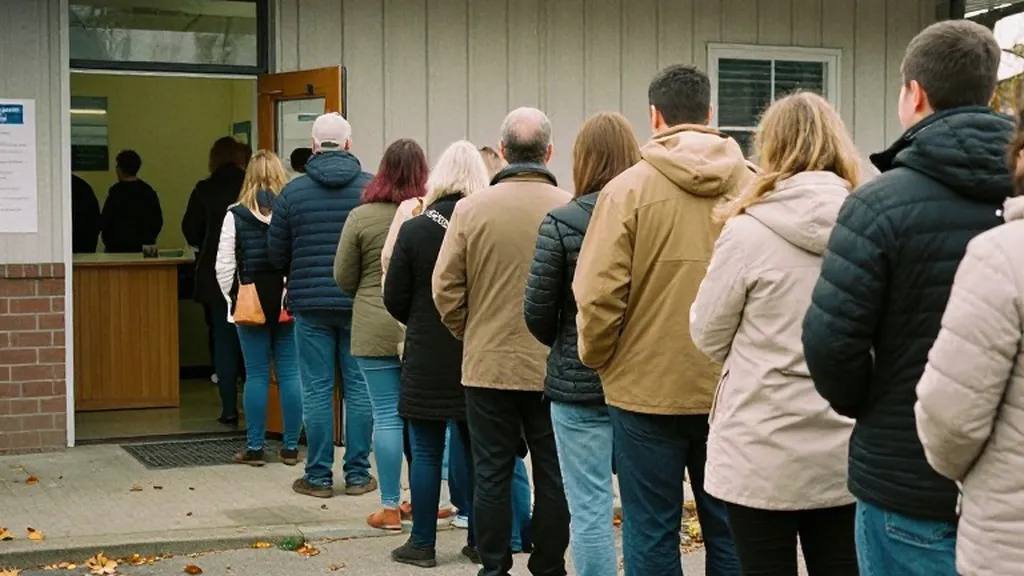
Voters across the Pacific Northwest are heading to the polls on Election Day, Tuesday, November 3, 2026, to decide the composition of Congress and state leadership. The Associated Press describes this midterm election as a referendum on President Donald Trump's second term, noting that many Americans are struggling with high prices and are angry over an unpopular war with Iran. This sentiment is particularly relevant in the region, where voters in Washington, Oregon, Idaho, Alaska, and Hawaii are facing critical decisions that could shift the balance of power in both chambers of Congress.
In the Pacific Northwest, the Senate races in Oregon and Idaho are central to the fight for control of the upper chamber. Oregon voters are deciding an open Senate seat, a race that has drawn significant attention due to the national narrative of economic strain. Polls in Oregon are open from 7 a.m. To 8 p.m. Local time. In Idaho, incumbent Senator Jim Risch is running for re-election. The war with Iran has become a focal point for candidates on both sides, with Democrats arguing the conflict has drained resources and increased costs, while Republicans contend it is necessary for national security.
Alaska presents a unique dynamic as voters decide an open governor's race and a Senate race featuring incumbent Dan S. Sullivan. The Trump administration filed a lawsuit related to the certification of the Senate result in Alaska, adding a layer of legal complexity to the election. Polls in Alaska open at 7 a.m. And close at 8 p.m. Local time. The state's lean Democratic rating in the Senate race suggests that the outcome could hinge on how voters weigh the administration's handling of the Iran conflict against domestic economic concerns.
In Hawaii, voters are choosing a governor, with incumbent Joshua Green seeking re-election. The state is largely a Democratic stronghold, but the Associated Press notes that national issues, including the cost of living and the Iran war, are influencing local debates. Polls in Hawaii open at 7 a.m. And close at 7 p.m. Local time. The AP-NORC polling indicates that about 7 in 10 U.S. Adults say the country is heading in the wrong direction, a sentiment that resonates in Hawaii where residents are feeling the impact of global energy prices linked to the Middle East conflict.
Washington state voters are focusing on the House and state races, with polls closing at 8 p.m. Local time. Although there is no Senate or governor race in Washington this cycle, the state's delegation to the House will determine part of the national balance of power. The Associated Press highlights that Democrats need a net gain of three districts for a majority, and Washington's districts are among those being watched closely. The war with Iran has been a topic in campaign ads, with Democrats emphasizing the economic burden and Republicans highlighting the strategic necessity of the military engagement.
The mood in the region reflects the national trend, with early voting surpassing four years ago in many closely watched states. More than 57 million people had already voted as of Monday. In the Pacific Northwest, this high turnout suggests a strong interest in the election's outcome. Republicans were bracing to lose the House and fighting to hold the Senate, while Democrats were cautiously optimistic. The Iran war has been a key issue, with Republicans arguing for a strong stance and Democrats calling for a more measured approach.
In Oregon, the governor's race is also open, adding another layer of complexity to the state's political landscape. Economic strain and tariffs have made the state competitive, mirroring trends in other battleground states. Voters in Oregon are weighing the impact of the Iran war on their daily lives, with many citing higher costs for energy and goods. 25% of U.S. Adults approve of Trump's handling of the economy, a figure that could be influenced by regional economic conditions.
Idaho voters are also deciding the governor's race, with incumbent Brad Little running for re-election. The state is a key battleground for the Senate, with the race rated as a toss-up or tilt Republican by various analysts. The Iran war has been a point of contention, with candidates debating the effectiveness of the administration's strategy. Polls in Idaho are open from 8 a.m. To 8 p.m. Local time, allowing voters ample time to participate in the election.
President Trump held dozens of rallies in the lead-up to the election, including stops in Salina, Kansas, where he urged voters to pretend he was on the ballot. While Trump is not directly on the ballot in the Pacific Northwest, his influence is felt in the region's races. The AP notes that many Republican candidates kept their distance from the president, reflecting a strategic decision to focus on local issues while acknowledging the national context of the Iran war.
The election's outcome will have significant implications for the Pacific Northwest, particularly if Democrats gain control of either chamber of Congress. The Associated Press notes that if Democrats win even one chamber, investigations and possible impeachment proceedings become likely. This could affect the region's representation in Congress and its influence on national policy, including trade and foreign affairs related to the Iran conflict. The AP-NORC poll shows that most Americans blame the president for high prices, a sentiment that is likely to resonate in the Pacific Northwest's diverse economies.