PNW Turnout: 57M Early Votes Test Rallies and Ground Games
With polls open across the Pacific Northwest, local races hinge on whether early voting momentum translates into decisive support for Senate and governor contests.
By Rebecca Foster ·
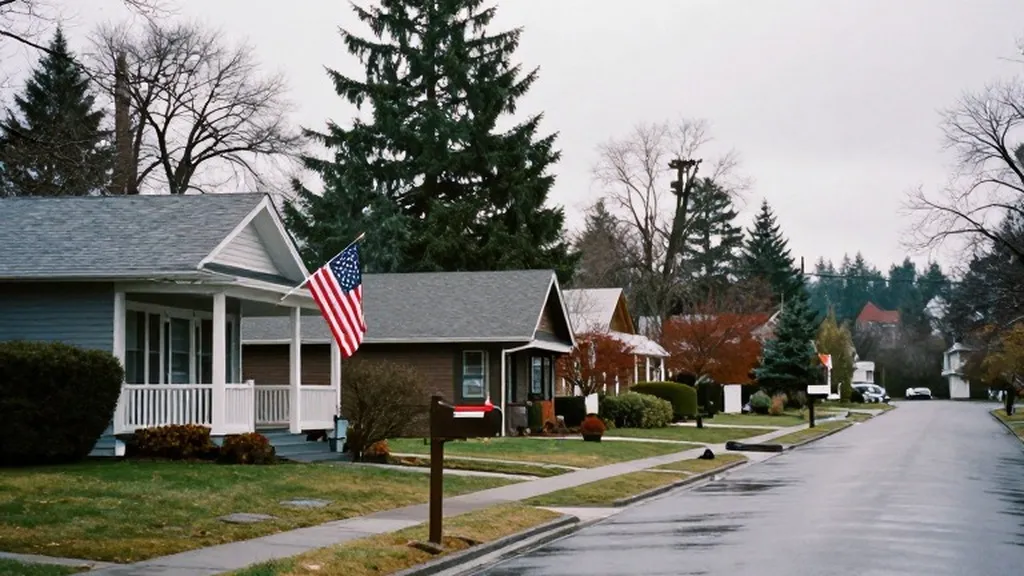
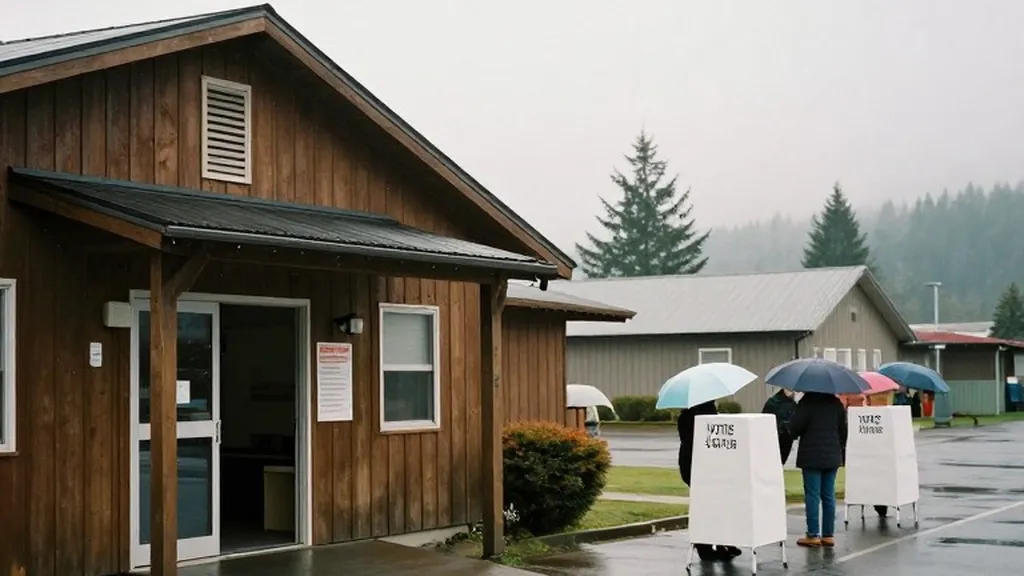
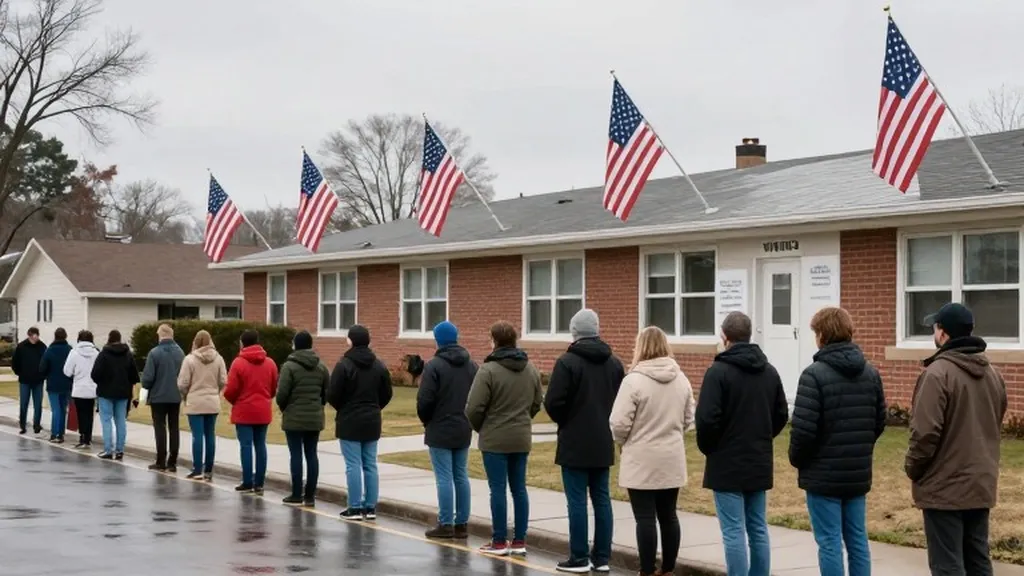
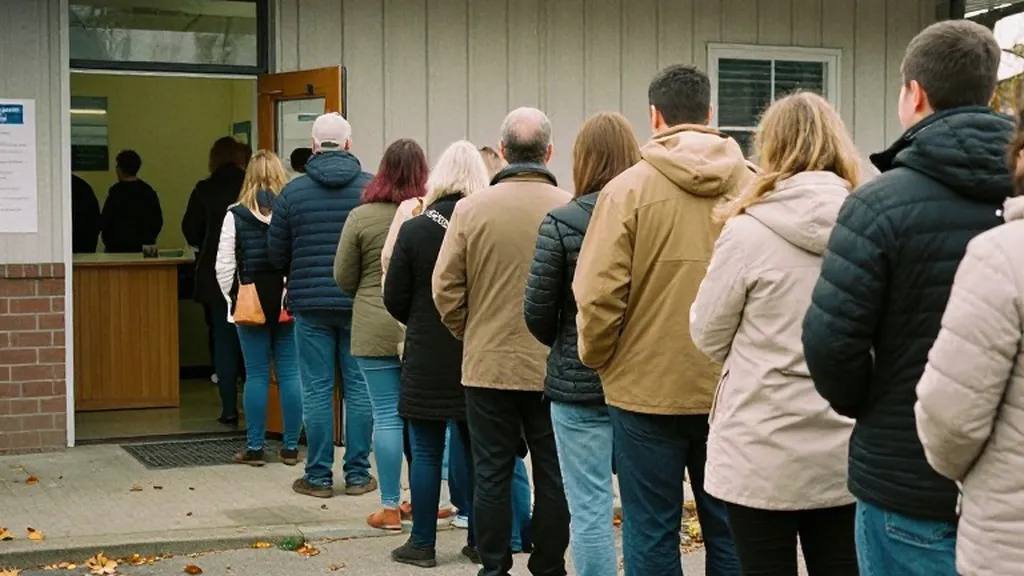
Voters across the Pacific Northwest are casting ballots on Election Day, Tuesday, November 3, 2026, in a midterm election that determines who controls Congress for President Donald Trump's final two years. The Associated Press reports that more than 57 million people had already voted as of Monday, surpassing the early vote totals from four years ago in many closely watched states. This surge in early participation is a central focus for campaigns in the region, where both parties have invested heavily in mobilizing their bases.
In Washington state, polls close at 8 p.m. Local time, and the state is primarily voting by mail. There is no race for the U.S. Senate or the governor's office in this cycle. The focus for Washington voters is on the U.S. House, where all 435 seats are up for grabs. The Associated Press notes that Democrats need a net gain of three districts to secure a majority in the House, while Republicans can lose no more than two seats to maintain control. With 46 battleground districts identified nationally, the outcome in key House races could influence the overall balance of power.
Oregon voters have polls open from 7 a.m. To 8 p.m., with the state voting largely by mail. Oregon has an open seat in the U.S. Senate and an open governor's race. The Associated Press describes the election as a referendum on the president's second term, with voters struggling with high prices. The state's political landscape is influenced by national trends, where 35 percent of U.S. Adults approve of Trump's job performance. Local candidates are competing in a environment where economic concerns are paramount.
In Idaho, polls are open from 8 a.m. To 8 p.m. The state is holding a U.S. Senate race featuring incumbent Jim Risch and a governor's race featuring incumbent Brad Little. The Associated Press notes that Republicans were bracing to lose the House but are fighting to hold the Senate. Idaho's races are part of a broader national effort where Republicans hold 53 Senate seats and Democrats hold 45. The state's participation in the early voting surge reflects the national trend of increased engagement ahead of the final day of voting.
Alaska voters can cast ballots from 7 a.m. To 8 p.m. The state has a U.S. Senate race with incumbent Dan S. Sullivan and an open governor's race. The Associated Press reports that the Trump administration filed a lawsuit related to the certification of the Senate result in Alaska. This legal action is part of a broader pattern where the administration has sued in Alaska and California over voting procedures. The state's political dynamics are further complicated by the fact that it is one of several states with new congressional maps after mid-decade redistricting, although Alaska is not among the six states explicitly listed as using new maps for House districts in this cycle.
Hawaii polls open at 7 a.m. And close at 7 p.m., with the state voting largely by mail. There is no U.S. Senate race in Hawaii this cycle, but the state has a governor's race featuring incumbent Joshua Green. The Associated Press highlights that the 2026 elections will likely be the most expensive in history, with Republican committees outspending Democratic ones at the committee level. However, at the candidate level, Democrats have outraised their opponents. This financial disparity is evident in television advertising, where 88.1 percent of Republican general election TV ad spending went to states and districts Trump won in 2024.
National party leaders have emphasized the importance of turnout in determining the outcome of these races. RNC Chairman Joe Gruters stated, "Everything depends on turnout. If we turn out our voters, we win, and that's what we've been planning for." DCCC Chair Rep. Suzan DelBene countered, "The American people are angry. They want change." These statements reflect the strategic approaches of both parties, which have focused on ground games and rally efforts to mobilize supporters. The Associated Press notes that Trump held dozens of rallies, ending Sunday in Salina, Kansas, where he encouraged voters to pretend he was on the ballot.
The mood among voters is characterized by economic anxiety. The Associated Press reports that about seven in 10 U.S. Adults say the country is heading in the wrong direction, and most blame the president for high prices. In the Pacific Northwest, these national sentiments are likely influencing local decisions. Voters in the region are making choices that could impact the balance of power in Congress, with the potential for investigations and oversight if Democrats win a chamber. The Associated Press notes that if Democrats win even one chamber, investigations and possible impeachment proceedings become likely.
Election administration officials have worked to ensure that mail ballots are counted on time. The U.S. Postal Service added hours, staff, and special lines to facilitate this process. A federal judge temporarily barred the Trump administration from carrying out a plan it says would prevent noncitizen voting, a move that critics said risks disenfranchising eligible voters. These administrative developments are part of the broader context in which Pacific Northwest voters are participating in the election. The Associated Press notes that the results will decide who controls Congress for the president's final two years, with significant implications for the legislative agenda.
Voters in the Pacific Northwest are exercising their rights in a competitive environment. The Associated Press reports that Democrats are cautiously optimistic about their chances, while Republicans are focused on holding their ground. The state lines for the Pacific Northwest include Washington, Oregon, Idaho, Alaska, and Hawaii, each with its own set of races and poll hours. The outcome of these local contests will contribute to the national picture, where one or two Senate seats could tip the balance of power. The Associated Press notes that the election is a critical test for both parties as they look toward the future of American governance.