Pacific Northwest voters weigh AI costs, debt and trade in key races
As polls open in Oregon, Washington, Idaho, Alaska, and Hawaii, Wall Street monitors regional outcomes for signals on fiscal policy and global trade.
By Aiko Brooks ·
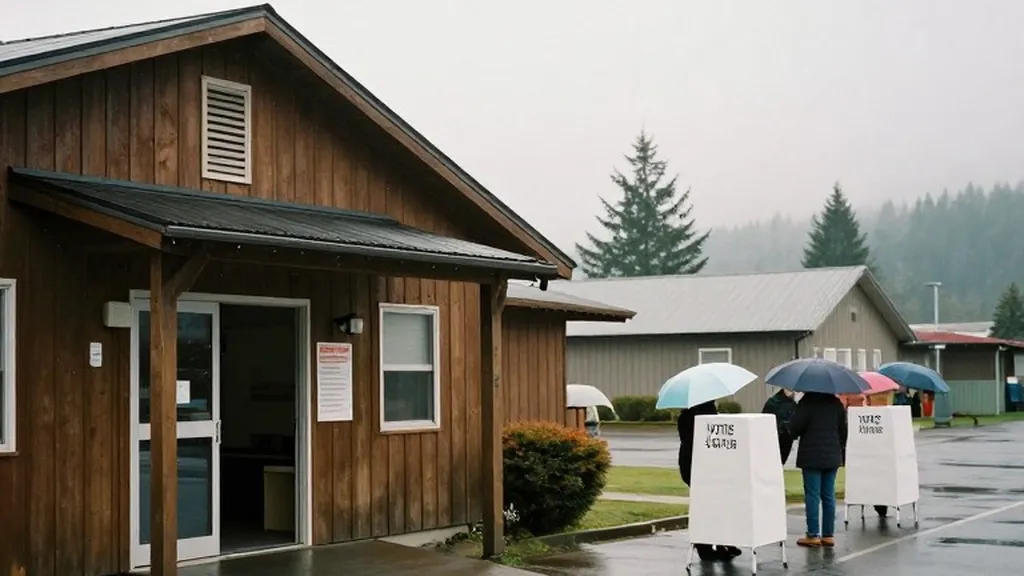
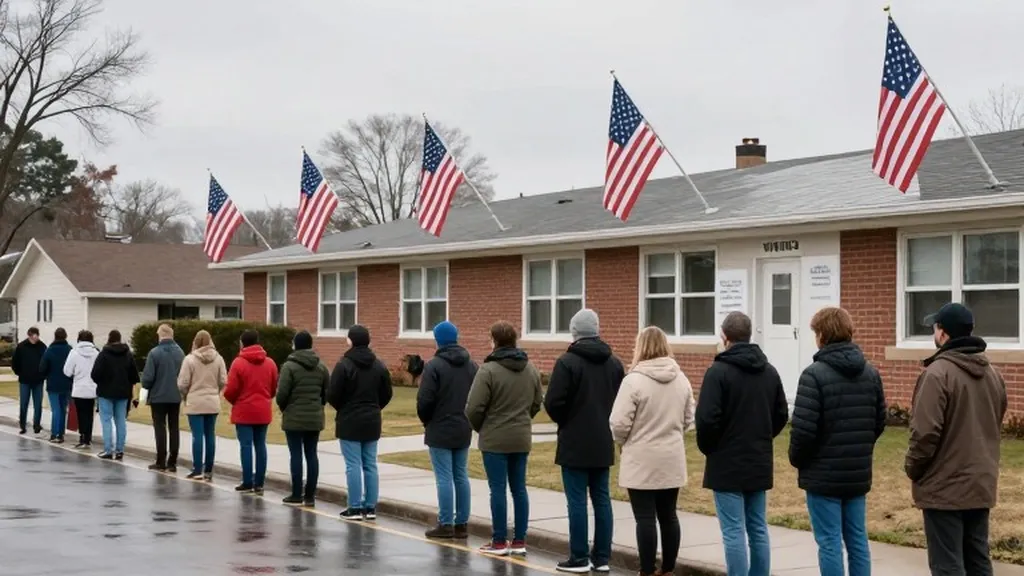
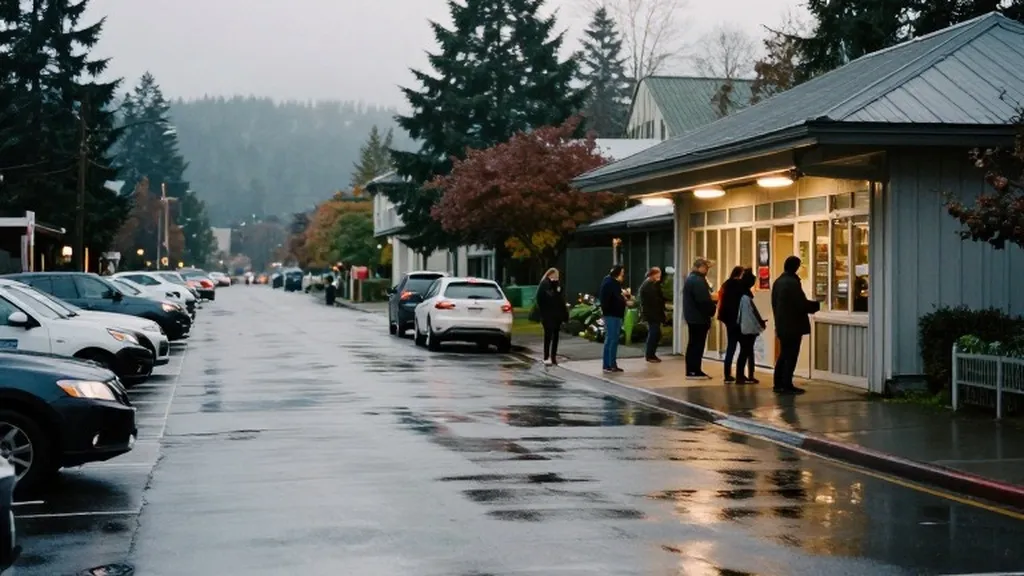
Voters across the Pacific Northwest and Alaska are heading to the polls on Tuesday, November 3, 2026, to decide the balance of power in Congress and several state executive offices. The Associated Press describes the election as a referendum on President Donald Trump's second term, with many citizens citing high prices and an unpopular war with Iran as primary concerns. For financial markets, the outcome is not just a domestic political event but a significant indicator for global economic stability. Reuters notes that investors are watching the results closely because they could add to existing concerns regarding artificial intelligence spending and ongoing debt ceiling negotiations.
In Oregon, voters face two major open seats: the U.S. Senate and the governorship. Polls open at 7 a.m. and close at 8 p.m. local time. The Senate race is particularly significant for Wall Street because Oregon is a key state for technology and trade. A shift in control here could influence the legislative agenda surrounding tariff policies and international trade agreements. The governor's race is equally critical, as the state executive will oversee regulations that affect the region's growing data center infrastructure and energy costs associated with AI development.
Washington state voters, who will primarily vote by mail, face a deadline of 8 p.m. to cast their ballots. There is no Senate or governor race on the ballot this cycle, but the state's congressional delegation will determine its influence in the House and Senate. Washington is a hub for major technology firms that are central to the current AI spending boom. The Associated Press reports that 88.1% of Republican general election TV ad spending went to states and districts Trump won in 2024, suggesting that financial strategies are heavily focused on securing control in areas that drive economic growth. This spending pattern highlights the tension between fiscal conservatism and the massive capital expenditure required for AI infrastructure.
In Idaho, polls are open from 8 a.m. to 8 p.m. Voters will choose between incumbent Senator Jim Risch and his challenger, as well as incumbent Governor Brad Little. The Associated Press notes that Kansas has become central to the fight for Senate control due to its swing status, but Idaho's outcomes will also provide insight into the rural Midwest and Mountain West trends. If Republicans hold their seats in these states, they may be better positioned to push through tax and spending measures that Wall Street favors. However, if Democrats gain ground, it could lead to increased scrutiny on corporate borrowing and government debt levels.
Alaska presents a unique case for financial observers, with polls open from 7 a.m. to 8 p.m. The state has an open Senate seat and a governor's race. The Associated Press reports that the Trump administration filed a lawsuit related to the certification of the Senate result in Alaska, adding a layer of legal uncertainty to the process. This legal battle mirrors the broader concerns about election administration, including a federal judge's temporary bar on a plan to prevent noncitizen voting. For investors, clarity in these processes is vital to predict the speed and certainty of future legislative actions on trade and fiscal policy.
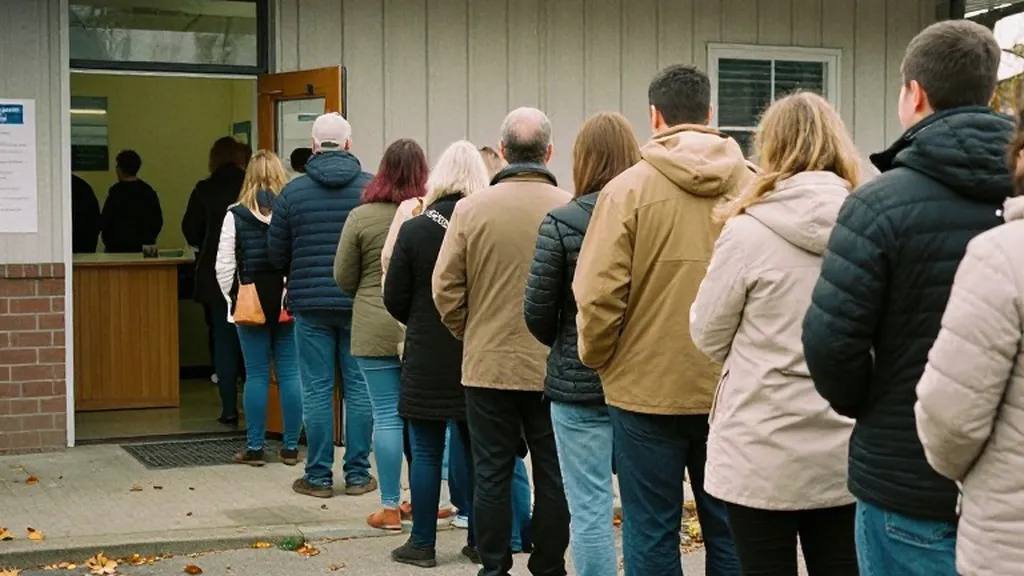
Hawaii completes the regional picture, with polls open from 7 a.m. to 7 p.m. The state has no Senate race but features a governor's contest involving incumbent Joshua Green. Hawaii's position in the Pacific makes it a strategic location for trade routes and military presence. The Associated Press notes that more than 57 million people had already voted as of Monday, surpassing early vote totals from four years ago in many closely watched states. This high level of early participation suggests that voters are deeply engaged with the economic issues at stake, including the cost of living and the impact of global trade disruptions.
The Associated Press notes that most Americans blame President Trump for high prices, with only 25% approving of his handling of the economy. This sentiment is likely to influence how voters in the Pacific Northwest respond to candidates who promise to address inflation and debt. The debt ceiling is a recurring theme in Washington, D.C., and a divided Congress could lead to more frequent and contentious negotiations. Reuters points out that results could add to investor concerns about AI spending, as a lack of fiscal certainty may slow down the massive capital investments currently flowing into the technology sector.
Trade policy is another major factor for the region. The Pacific Northwest has a strong export economy, particularly in technology and agriculture. The Associated Press mentions that economic strain and tariffs have made states like Maine competitive, suggesting that trade issues are resonating with voters nationwide. In the Northwest, where tech companies are heavily involved in global supply chains, the outcome of these races could signal the direction of U.S. trade policy in the coming years. A Democratic control of either chamber could lead to more oversight on trade agreements, while a Republican hold might prioritize faster legislative action on tariffs.
The Associated Press cites RNC Chairman Joe Gruters, who stated that everything depends on turnout and that if they turn out their voters, they win. In contrast, DCCC Chair Rep. Suzan DelBene said the American people are angry and want change. These quotes reflect the broad national mood but are also relevant to the Pacific Northwest, where voters are weighing these national issues against local economic realities. The region's voters are effectively deciding whether to continue the current fiscal and trade trajectory or pivot toward a more interventionist approach.