Voters Face Price Spike in 2026 Midterms
AP-NORC data shows 70% see the nation heading in the wrong direction, driving voter turnout in key states.
By Matthew Qureshi ·
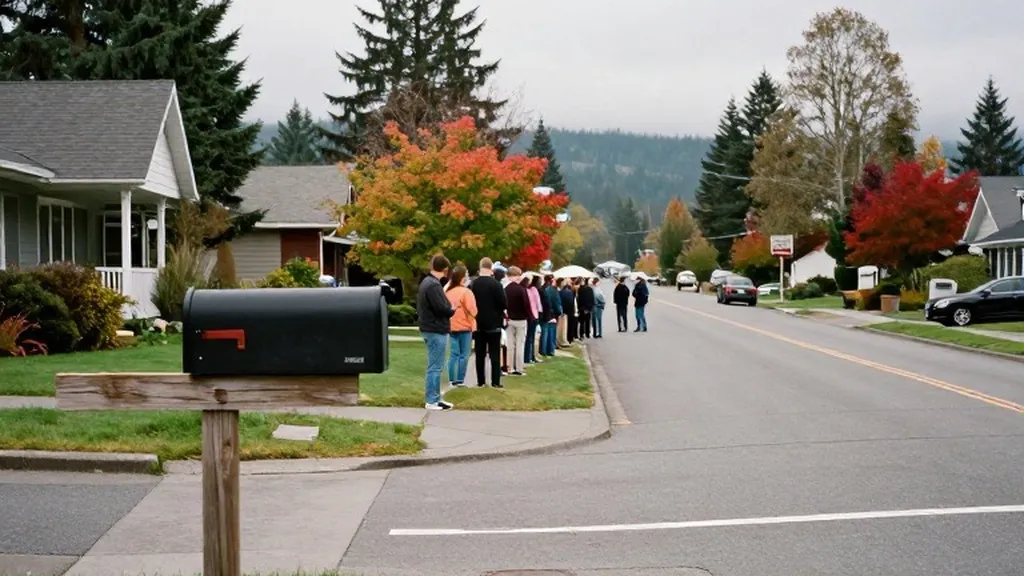
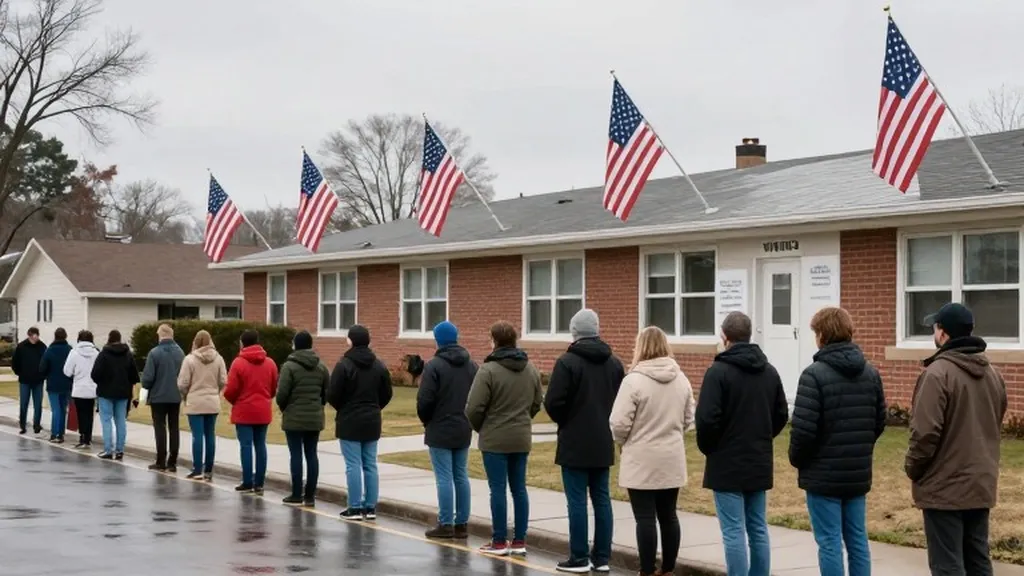
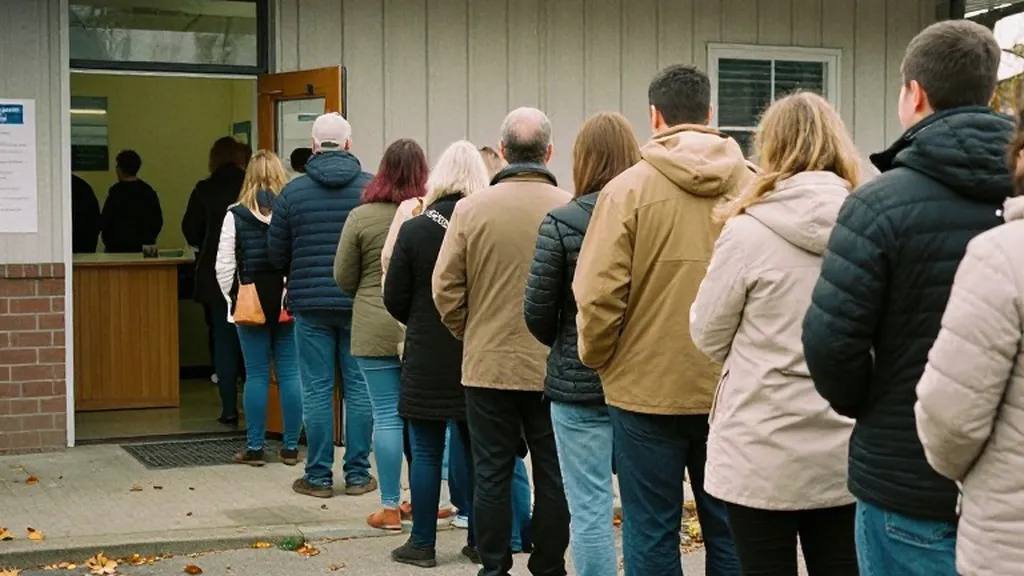
Voters across the United States are casting ballots on Tuesday, November 3, 2026, in a midterm election that determines the balance of power in Congress for the final two years of President Donald Trump's second term. The Associated Press describes the contest as a referendum on the administration's performance, with many citizens expressing frustration over high prices and an unpopular war with Iran. This economic strain is at the forefront of the national debate, shaping the strategies of both major parties as they fight for control of the legislative branch.
35 percent of U.S. Adults approve of Trump's job performance, while only 25 percent approve of his handling of the economy. Approximately seven in ten adults say the country is heading in the wrong direction, with most blaming the president for the rising cost of living. These numbers reflect a widespread concern that household budgets are under pressure, a sentiment that has energized voters in both competitive House districts and Senate races nationwide.
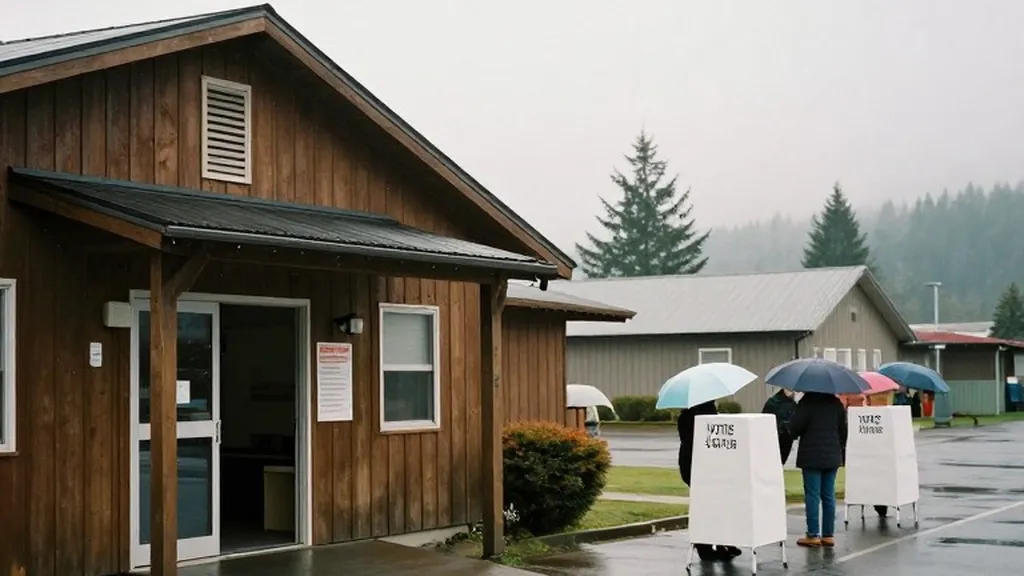
In the Pacific Northwest, voters are weighing these national economic trends against local stakes. In Oregon, polls are open from 7 a.m. To 8 p.m., with an open Senate seat and a governor's race on the ballot. In Washington, polls close at 8 p.m., where residents decide on House and state races without a Senate or governor contest. Idaho voters, with polls open from 8 a.m. To 8 p.m., are choosing between incumbent Senate candidate Jim Risch and his opponent, while also voting on the governor's race featuring incumbent Brad Little.
The economic mood is palpable in individual voting experiences. In Raleigh, North Carolina, James Moore, a 57-year-old librarian, cited the burden of increasing costs as his primary concern. He noted that he is paying more for taxes, healthcare, and general goods. His sentiment contrasts with that of Mark Barker of Palm Beach Gardens, Florida, who supported the president's direction despite the broader economic anxieties. These divergent views illustrate the complex landscape of voter sentiment in the 2026 midterms.
The Senate race in Maine has become a focal point for economic issues, with the Associated Press noting that tariffs and economic strain have made the state highly competitive. Senator Susan Collins, a Republican, faces Democratic challenger Troy Jackson. This race is rated as a toss-up by multiple pollsters, highlighting how trade policies and domestic prices are influencing voters in traditionally divided states. In Alaska, where polls are open from 7 a.m. To 8 p.m., the Trump administration has filed a lawsuit related to the certification of the Senate result, adding a layer of legal complexity to the economic narrative.
Turnout is a critical factor in this election, with more than 57 million people having already voted as of Monday. This figure surpasses the early vote totals from four years ago in many closely watched states. Republican National Committee Chairman Joe Gruters emphasized the importance of turnout, stating that if they mobilize their voters, they will win. Conversely, Democratic Congressional Campaign Committee Chair Suzan DelBene said the American people are angry and want change, reflecting the economic dissatisfaction driving Democratic enthusiasm.
The financial stakes of the election are also significant for markets and policy. Reuters reports that Wall Street is watching for more than just control of Congress, with results potentially affecting investor concerns regarding AI spending and debt ceiling negotiations. The 2026 elections are likely to be the most expensive in history, with Republican committees outspending Democratic committees at the national level, though Democrats outraised their opponents at the candidate level. This financial disparity underscores the high stakes of the midterms for both parties.
In the House, all 435 seats are up for election, with Democrats needing a net gain of three districts to secure a majority. Republicans hold 218 seats and can afford to lose no more than two. The battleground is intense, with 46 districts identified as competitive by Ballotpedia. In the Pacific Northwest, these House races will determine the region's representation in the next Congress, with outcomes potentially influenced by the same economic factors driving voters in other parts of the country.
The governor's races add another dimension to the economic debate. Thirty-six governorships are on the ballot, with Republicans holding 26 and Democrats holding 24. In the Pacific Northwest, Hawaii voters are deciding on the governor's race with incumbent Joshua Green, while polls are open from 7 a.m. To 7 p.m. In Alaska, an open governor's race is part of the broader slate, with voters also considering the Senate contest. These state-level decisions will shape the administrative landscape for the next four years.
As polls close in various states, the focus remains on how voters interpret the economic message. The Associated Press notes that one or two Senate seats could tip the balance of power, making every district and state crucial. The new congressional maps in six states, including North Carolina and Texas, may also influence outcomes, as redistricting efforts aimed at favoring one party face voter reaction. The final tally will reveal whether the economic frustrations of 2026 translate into a significant shift in congressional control.
The election administration has faced some challenges, including a federal judge temporarily barring the Trump administration from a plan to prevent noncitizen voting. Critics argue this risks disenfranchising eligible voters, while supporters see it as a necessary safeguard. The U.S. Postal Service has added hours and staff to ensure mail ballots are counted on time, a critical component in states like Washington and Oregon where mail voting is prevalent. These logistical efforts ensure that the voices of voters, particularly those concerned about the economy, are heard in the final count.