Israel Election Leaves Government in the Balance
Netanyahu's camp fell four seats short of a majority, forcing reliance on Arab-led parties that both main blocs have previously rejected.
By Matthew Qureshi ·
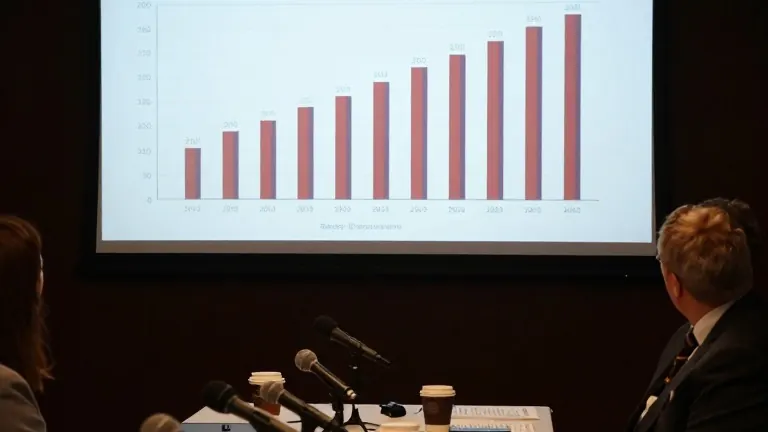
The outcome of the October 27 Israeli election left no side with a clear path to power. By the morning of October 28, the initial count showed that neither the incumbent camp nor the opposition could form a government on their own. The Knesset has 120 seats, and a ruling coalition requires 61. Neither bloc reached that number in the early data.
The Central Elections Committee projected that Prime Minister Benjamin Netanyahu’s alliance would hold 54 seats. The opposing bloc led by Gadi Eisenkot was projected to take 50. Likud, Netanyahu’s party, was the largest single party with 27 seats. Exit polls published on election night varied slightly in their projections. Kan 11 and Channel 13 reported a tie at 51 seats each. Channel 12 gave Netanyahu 52 seats and Eisenkot 49. Channel 15 offered the highest estimate for the incumbent, showing 55 seats for Netanyahu and 49 for Eisenkot.
The missing seats likely rest with the Arab-led parties Ra’am and the Joint List. Early indications suggest these groups will secure between 16 and 19 seats combined. They hold the arithmetic key to a majority. However, political resistance is strong. Netanyahu has described governing with Arab parties as shameful. Leaders within the Jewish-led opposition have also ruled out such a partnership.
Netanyahu’s bloc includes Likud, the ultra-Orthodox parties Shas and United Torah Judaism, and the far-right parties Religious Zionism and Otzma Yehudit. Religious Zionism is led by Bezalel Smotrich, while Itamar Ben-Gvir leads Otzma Yehudit. Eisenkot’s group comprises his Yashar party, the Together list associated with Naftali Bennett and Yair Lapid, Avigdor Liberman’s Yisrael Beytenu, and the Democrats party led by Yair Golan.
Once the results are certified, the president will assign the task of forming a government to the legislator deemed most capable of building a majority. That person has 28 days to complete the process, with a possible 14-day extension. If they fail, another lawmaker may be granted a turn. If no one succeeds, the country will return to the polls, a scenario it experienced repeatedly between 2019 and 2022.
Netanyahu remains the caretaker prime minister while talks continue. He is the longest-serving prime minister in Israeli history, having held the office for 19 years across three separate terms. He currently faces corruption charges in a trial, which he denies. Official results are scheduled for release on November 4, though coalition negotiations may extend beyond that date.
More Politics · World news · Report a business · Got a Story?