Healey Unveils Modest Budget With £1bn Council Housing Pledge
The Chancellor announced measures to ease household costs, including energy bill support and a fuel duty freeze, while rejecting calls for tax increases.
By Aiko Brooks ·
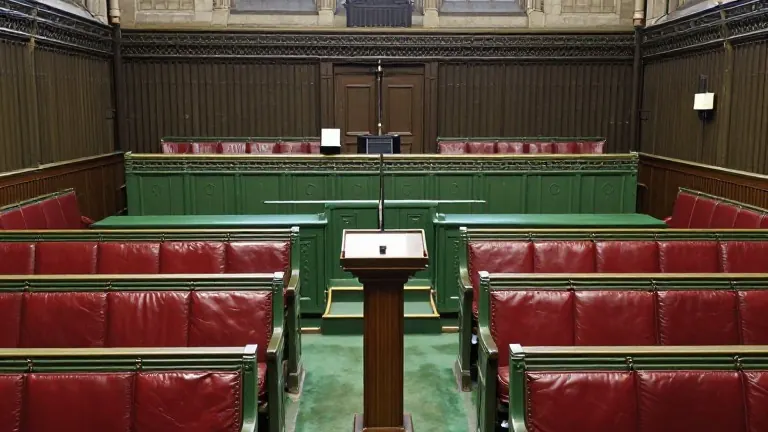
John Healey presented the first budget of the Burnham government on Tuesday at 12:30pm, outlining a series of measures designed to relieve pressure on low and middle-income households. The Chancellor described the plan as providing breathing space for today and fresh hope for the future. Many of the proposals had been briefed in advance, reflecting the financial constraints facing the administration.
The budget includes a pledge of £1 billion in additional funding for council housebuilding. This commitment continues the largest council housing program since the postwar decade, as promised by Labour leader Andy Burnham. Healey is also expected to provide further details on the Your First Home scheme, a new version of the Help to Buy program aimed at assisting first-time buyers with entry into the property market.
To address immediate cost of living pressures, the government will support poorer families with energy bills this winter. The plan includes energy market reforms intended to lower bills for all households over the longer term. Healey ruled out raising the capital gains tax or lowering the mansion tax, stating his intention to adhere to Labour's fiscal rules. The ongoing war in Iran has increased borrowing costs, further limiting the government's spending power.
The Chancellor confirmed the continuation of the freeze on fuel duty, a tax on petrol and diesel that has been suspended since 2022. The government also announced the removal of import tariffs on specific products, including baked beans, chocolate, and gherkins. The Treasury estimates these tariff changes will save the average household £21 on the yearly food shop.
StepChange, the UK's largest debt advice charity, reported that average household arrears debt for its clients rose from £2,833 in 2022 to £4,345 in 2025. A spokesperson for the charity noted that one in two people seeking advice now has energy debt, a pressure that was less common in the late 2000s when consumer credit debt was primary. The charity cited these new pressures as a major driver of client financial distress.
Mathew Lawrence, director of the thinktank Common Wealth, argued that the government needs a structural plan to reduce energy bills over the medium term. He suggested an energy guarantee, which would protect a bloc of energy at pre-crisis price levels. Lawrence noted that decisions on tax have limited the government's scope for action on bills, as Healey has ruled out certain tax changes that could fund such policies.
The Resolution Foundation found that more than 900,000 private rented households on universal credit face a shortfall between their rent and housing allowance. The average shortfall for a family renting a two-bedroom home is £158 per month. Local housing allowance has remained frozen since 2024, while rents have continued to rise in many areas.
Jonny Marshall, an economist at the Resolution Foundation, stated that maintaining the fuel duty freeze largely helps higher-income households who drive more. He suggested that the government could better support poorer households by taking more action on energy bills rather than relying on the blunt instrument of fuel tax relief.