Israel's Knesset vote ends in 61-59 standoff
Neither Benjamin Netanyahu nor Gadi Eisenkot has secured the 61 seats required to form a government, leaving both leaders with six weeks to build coalitions.
By Matthew Qureshi ·
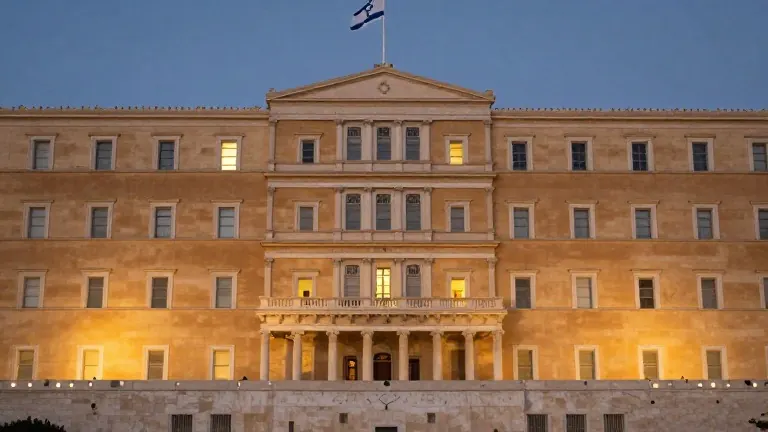
Israel's election results remain unresolved as of Wednesday.
Voters cast their ballots on Tuesday, the first national election since the October 7 attack, but no candidate has claimed a definitive majority. The Knesset, Israel's 120-member legislature, requires a candidate to secure 61 seats to become prime minister. Neither Benjamin Netanyahu nor center-right challenger Gadi Eisenkot has reached that threshold. With a majority of votes counted, the race stands as a deadlock between the two main contenders.
Early exit polls showed Eisenkot leading, sparking celebrations at his campaign headquarters in Tel Aviv. Supporter Mayan Eshel described the mood as filled with optimism and hope for a new day of democracy. However, overnight counts shifted the momentum. By Wednesday morning, Netanyahu had pulled ahead, leaving the nation in uncertainty. Eisenkot delivered a speech in the early hours that resembled a victory address. He warned his rival, stating, 'Netanyahu, don't you dare use the security of Israel for your political needs.' The remark referenced Netanyahu's campaign promise to strike Iran during the transition period.
Netanyahu addressed his supporters shortly after Eisenkot's speech. He declared, 'We need to create a right-wing, strong government. That's what has to be done.' Both candidates are now in a position to attempt to form a coalition. The candidate with the higher vote count will receive the first opportunity to assemble a government. Election officials expect to complete the vote count by Thursday afternoon. Once the final numbers are in, the leading candidate has six weeks to build a governing majority.
The path to a majority is complicated by the performance of Arab-led parties. These groups are currently indicating support for Eisenkot, a historically strong showing for that bloc. Despite this, many within Eisenkot's camp have resisted forming a coalition with Arab parties. Tensions have risen since the October 7 attacks, with widespread mistrust of Arab political leaders complicating potential partnerships. Neither side has a clear path to the necessary 61 seats without negotiating with parties that were previously seen as unlikely allies. The next weeks will involve intense negotiations, with both camps likely seeking defectors to tip the balance. The outcome of these talks will determine who forms the next government.
The current impasse leaves the country in a state of political limbo. Israelis have expressed confusion and uncertainty following the turbulent hours since voting closed. The shift from Eisenkot's early lead to Netanyahu's overnight surge has left many unsure of the final outcome. The next 48 hours are critical for the final vote count. After that, the coalition building process will begin. Both leaders are working to attract additional members from the other side to secure the necessary seats. The final composition of the Knesset will dictate whether Netanyahu remains in power or if Eisenkot takes the helm. The six-week window for coalition building creates a tight deadline for these negotiations to succeed.