Israel's Knesset results leave Netanyahu and Eisenkot chasing 61-seat coalitions
Neither camp won a majority, forcing high-stakes negotiations that could end in a unity deal, an Arab alliance, or new votes in early 2027.
By Aiko Brooks ·
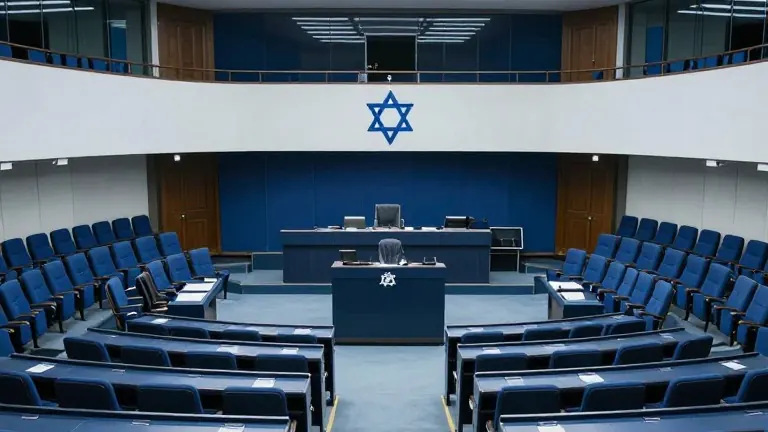
The results of Israel's national vote are final, leaving the next prime minister undecided. The 120-seat Knesset now requires party leaders to form a governing majority of 61 seats. Neither Prime Minister Benjamin Netanyahu nor his main rival, former military chief Gadi Eisenkot, secured a majority on their own. This stalemate places the power to decide the government in the hands of smaller factions, including Arab-led parties that won a historic 19 seats.
The path forward is fraught with political risk. Both camps must make compromises that may anger their voter bases. If negotiations fail, Israel will face new elections early next year. Until then, the current government will serve as a caretaker administration. The next few weeks will determine whether the country forms a new government or returns to the polls.
One potential scenario involves Eisenkot allying with Arab-led parties. On paper, this creates a solid 67-seat coalition against Netanyahu. Even without joining the cabinet, these parties could support a minority government. However, this arrangement is politically delicate. Israel's Arab citizens, who make up 20% of the population, are Palestinians whose families remained in the country after the 1948 war. They maintain close ties to Palestinians in the West Bank and Gaza, leading many Jewish Israelis to view them with suspicion. An Arab party has joined a governing coalition only once, in 2021. That government lasted approximately 18 months.
Netanyahu is framing any alliance with Arab parties as a betrayal of Israel's Jewish identity and a security threat. This narrative pressures Eisenkot's right-leaning allies to reject the partnership. The prime minister is using the potential coalition to pressure the opposition to find a different path.
Another possibility is a unity government where Netanyahu and Eisenkot join forces. This arrangement would provide Netanyahu a 67-seat majority. It would send Arab-led parties, along with ultranationalist and ultra-Orthodox factions, to the opposition. Such a government could address issues like military exemptions for the ultra-Orthodox and stabilize the economy. However, Eisenkot and his allies promised voters they would not sit in government with Netanyahu. They blame him for the security failures surrounding the Hamas attack on Oct. 7, 2023. They also cite his ongoing corruption trial and perceived undermining of democratic institutions. A Netanyahu-led government is unlikely to approve an official inquiry into the Oct. 7 attack, a key demand for opposition voters. Past leaders who joined Netanyahu against their voters' wishes saw their support plummet.
Netanyahu may also try to poach defectors from the opposition bloc. He could target right-wing leaders Naftali Bennett or Avigdor Lieberman. Both support nationalist policies, such as expanding settlements in the West Bank, which makes partnering with Arab parties difficult for them. However, they have clashed personally with Netanyahu for years and vowed not to partner with him. They also oppose the military exemptions that are a core demand for Netanyahu's ultra-Orthodox allies. Eisenkot has fewer options for defectors because Netanyahu's right-wing and far-right allies have shown fierce loyalty to him.
If no majority is formed, new elections are likely in early 2027. This outcome could hurt Netanyahu's opponents, who had momentum heading into the current vote. Tens of thousands of Israelis flew in from abroad to cast ballots, but they may not return for a second round. Netanyahu would gain time to strengthen his coalition. Smaller right-wing parties that failed to meet the threshold for parliament effectively wasted pro-Netanyahu votes. Their supporters might switch to larger far-right parties in a future vote, potentially strengthening the prime minister. After a similar stalemate in 2019, Israel held five elections over 3.5 years.
The Knesset is now in a critical phase of coalition building. The outcome will depend on whether leaders can overcome past enmities and voter mandates. The caretaker government remains in place while these negotiations take place.