Pacific Northwest voters decide control of key state races
Oregon and Idaho elected new leaders on Tuesday while Alaska and Hawaii held onto established governance structures.
By Matthew Qureshi ·
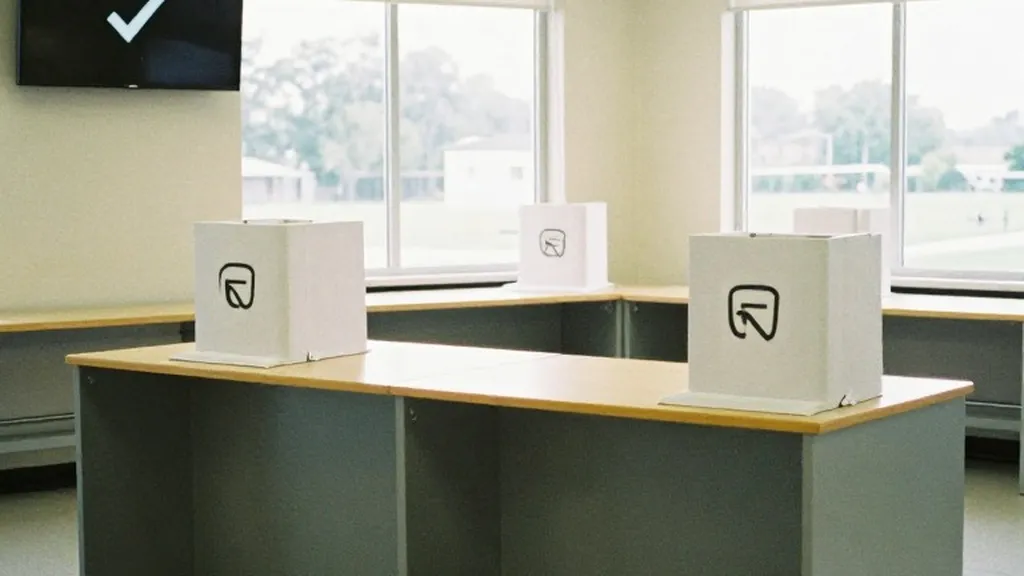
Voters across the Pacific Northwest cast their ballots on Tuesday, November 3, 2026, to determine the outcomes of significant state and federal races. The region saw decisive movements in power as residents in Oregon and Idaho selected new officials for the highest executive offices in their states. These results mark a pivotal moment for the Pacific Northwest, shifting the balance of power in two of the region's most populous states. The elections concluded with polls closing at 8 p.m. local time in most jurisdictions, allowing for the rapid tallying of votes in key districts.
In Oregon, an open Senate race and an open governor's race captured national attention. The state's polls operated from 7 a.m. to 8 p.m., providing ample time for residents to participate in the democratic process. The outcome of the governor's race will shape the state's executive direction for the next four years. Meanwhile, the Senate race, involving an open seat, places a new member in the federal chamber to represent Oregon's interests. The results reflect the diverse political landscape of the state, from the coastal urban centers to the rural eastern regions.
Idaho, a state with a strong Republican tradition, held its own contests for the Senate and the governor's office. Incumbent Senator Jim Risch faced voters in a race that tested his standing in the state. In the governor's race, incumbent Brad Little sought re-election to continue his administration's agenda. Polls in Idaho opened at 8 a.m. and closed at 8 p.m., allowing for a full day of voting. The results in Idaho will influence the state's role in the broader national political landscape, particularly regarding fiscal policy and energy issues.
Alaska, the northernmost state in the union, also held critical elections on Tuesday. The state had an open governor's race, offering a chance for a new executive to lead the state government. In the Senate, incumbent Dan S. Sullivan faced the electorate to secure his position. Polls in Alaska were open from 7 a.m. to 8 p.m., accommodating the state's large geographic footprint and varied time zones. The outcome of these races will determine the direction of Alaska's economic policies, including those related to energy and natural resource management.
Hawaii, the only Pacific Northwest state without a Senate race on the ballot, focused its attention on the governor's office. Incumbent Governor Joshua Green ran for re-election in a race that highlighted the state's unique political dynamics. Polls in Hawaii opened at 7 a.m. and closed at 7 p.m., reflecting the state's specific voting schedule. The governor's race in Hawaii is often a bellwether for national trends, given the state's diverse population and progressive leanings. The results will impact the state's approach to housing, tourism, and environmental protection.
Washington state, with no Senate or governor races on the ballot, focused on other key positions. While the state did not elect new top-level leaders this year, the results in local and federal races will influence the state's political environment. Polls in Washington had varying opening hours, with all closing at 8 p.m. The state's absence of major executive races allows voters to concentrate on other issues, such as judicial appointments and local infrastructure. The outcomes in Washington will contribute to the overall narrative of the Pacific Northwest's political shift.
The combined results from these five states illustrate a complex picture of regional politics. Oregon and Idaho, with their open executive races, saw changes in leadership that will affect state policies on healthcare, education, and transportation. Alaska and Hawaii, with their incumbent governors, maintained continuity in their executive branches, allowing for stable policy implementation. The Senate races in Oregon, Idaho, and Alaska will shape the federal representation of the region, influencing national debates on trade, defense, and environmental regulation.
The voting patterns in these states reflect the evolving political identities of the Pacific Northwest. Residents in these states have shown a willingness to support candidates who address local concerns, from economic stability to environmental stewardship. The results indicate a desire for responsive governance that aligns with the unique needs of each state. This shift in power will require new leaders to engage with their constituents and navigate the challenges of modern governance.
As the results are finalized, the new officials in Oregon and Idaho will begin the process of taking office. They will work to implement their campaign promises and address the pressing issues facing their states. The incumbents in Alaska and Hawaii who secured their positions will continue their work, building on the foundations they have established. The new Senate members from the region will join their colleagues in Washington, D.C., to represent the interests of the Pacific Northwest in the federal government.
The elections of November 3, 2026, have set the stage for the next four years of political activity in the Pacific Northwest. The changes in leadership in Oregon and Idaho will bring new perspectives to the region's governance. The continuity in Alaska and Hawaii ensures stability in their respective administrations. The outcomes of these races will shape the future of the Pacific Northwest, influencing policies that affect millions of residents. The region's political landscape has evolved, reflecting the diverse voices and needs of its people.
The final tally of votes in these states confirms the democratic will of the Pacific Northwest. The results are a testament to the power of the vote and the importance of civic engagement. As the new leaders take the oath of office, they inherit the responsibility of serving their constituents and addressing the challenges of the time. The Pacific Northwest stands ready to face the future, guided by the choices made by its voters on Election Day.