Midterm Shifts in AI Safety, Debt, and Trade Reshape Market Outlook
The election of new congressional leaders and a combative White House stance on AI oversight signal a new era of fiscal and technological policy uncertainty.
By Rebecca Foster ·
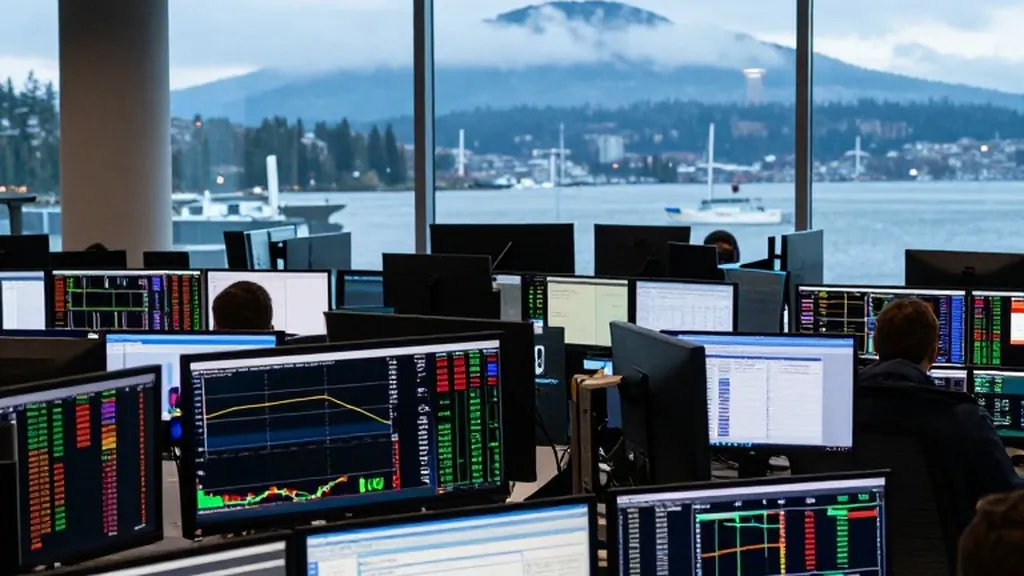
Financial markets across the Pacific Northwest and globally are reacting to the confirmed results of the November 3 midterm elections. The transfer of power in Congress and the subsequent posture of the executive branch have introduced new variables into the economic landscape. Investors are closely monitoring how the new legislative majority will approach the debt ceiling and trade agreements, while simultaneously assessing the regulatory environment for artificial intelligence. The election results have created a distinct political dynamic that is influencing capital allocation strategies for firms in the Seattle and Portland tech sectors as well as broader international markets.
The White House and the Department of Justice have adopted a combative stance toward the newly elected Democrats. President Donald Trump declared on social media that investigative requests made by the new congressional majority represent extortion at the highest level. Attorney General Todd Blanche echoed this sentiment, stating that criminal investigations of Democrats are possible. This rhetoric sets the stage for intense conflict between the branches of government, a factor that Wall Street analysts view as a potential driver of policy volatility. The administration has signaled a willingness to test the limits of congressional power, which could impact legislative timelines for economic bills.
In response to the election results, House Democratic leader Hakeem Jeffries indicated that impeachment is an option for holding the administration accountable. Jeffries stated that those who have shortchanged the American people need to be held consistent with Congress' constitutional role. This stance has raised concerns among some financial commentators about the potential for prolonged political battles that could delay critical economic legislation. The new congressional leadership is preparing aggressive investigations into the executive branch, a move that could define the remaining two years of the current presidential term and test the checks and balances inherent in the U.S. system.
The regulatory future of artificial intelligence is a primary concern for technology firms and their investors. The U.S. Center for Advancing Innovation and Standards for Super Intelligence, a division of the Commerce Department, has experienced significant leadership instability and has stopped publishing its research. Officials recently informed the division that they should informally report to a White House office. This shift raises questions about the independence of AI safety assessments, which are crucial for companies developing frontier models. The uncertainty surrounding the center's autonomy is being felt in the valuation of AI startups that rely on clear regulatory guidelines for their growth strategies.
Caroline Siegel Singh of the Federation of American Scientists noted that the hope for AI policy is to employ nonpartisan technocratic experts to serve the public. However, critics worry that the executive branch may politicize decisions that affect cybersecurity and other critical infrastructure. The center, which has an annual allocation of ten million dollars, is significantly underfunded compared to its counterpart in the United Kingdom. This funding disparity is a point of contention as the U.S. aims to maintain leadership in artificial intelligence. The White House has established a new Super Intelligence Force and commissioned a report on risks, signaling a continued focus on the sector despite the internal turmoil at the dedicated safety center.
Trade policy remains a critical area of focus for businesses in the Pacific Northwest. The new congressional composition suggests a potential shift in how trade deals are negotiated and enforced. While specific legislative changes have not yet been finalized, the combative tone between the executive and legislative branches indicates that trade agreements may face heightened scrutiny. Companies in the region that rely on international supply chains are preparing for potential changes in tariffs and regulatory standards. The outcome of these political negotiations will have direct implications for the cost of goods and the competitiveness of Pacific Northwest exports in global markets.
The debt ceiling is another major issue that markets are watching. With a new majority in Congress, the process for raising or extending the debt limit is likely to be more contentious. Historical precedents suggest that periods of political division often lead to increased volatility in bond markets. The new congressional leaders have indicated a desire to hold the administration accountable, which may include leveraging the debt ceiling in negotiations. Investors are adjusting their portfolios to account for the potential risks associated with a government shutdown or a default scenario, although such events are not yet imminent.
Regional leaders in the Pacific Northwest are assessing the impact of these national shifts on their state economies. The election results in Oregon, Washington, Idaho, and Alaska have produced a mix of outcomes that reflect broader national trends. The new state and federal leaders will work together to address issues such as infrastructure, energy, and technology policy. The alignment of interests between state governments and the federal administration will be a key factor in determining the pace of economic development in the region. Businesses are monitoring these political dynamics to make informed decisions about expansion and investment.
The election of new members to Congress has also brought attention to the role of checks and balances in the presidency. Approximately seven in ten voters nationally said that Congress is not doing enough to provide checks on the presidency, according to a survey of more than 100,000 midterm voters. This sentiment is reflected in the aggressive investigative posture of the new congressional leadership. The potential for impeachment proceedings, as suggested by House leader Hakeem Jeffries, adds another layer of complexity to the political environment. Markets are generally averse to uncertainty, and the prospect of prolonged legislative battles is influencing long-term investment strategies.