Uganda pulls troops out of Somalia
The first group of 109 soldiers left Mogadishu on Friday, beginning a phased exit that concludes in 2027.
By Aiko Brooks ·
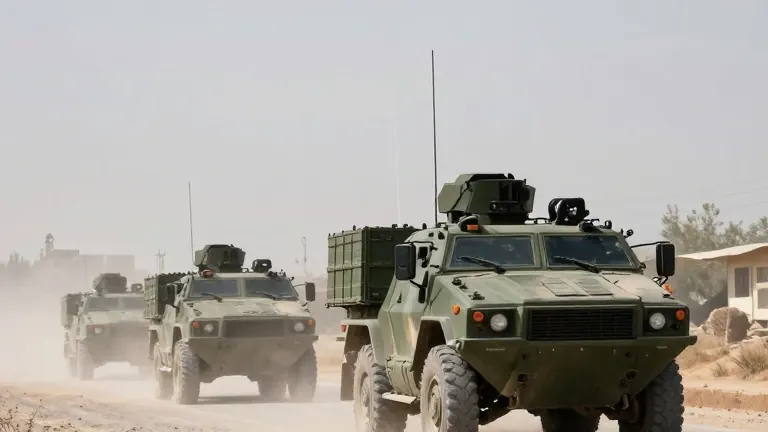
Uganda has started removing its military forces from Somalia after nearly 20 years of deployment. The first group of 109 Uganda People's Defence Forces troops departed from the capital, Mogadishu, on Friday. This move follows a public statement from the country's army chief.
General Muhoozi Kainerugaba confirmed the withdrawal on X last week. He stated that Uganda was fulfilling a promise to hand over security duties to Somali forces. Kainerugaba noted that the process involved two decades of blood and sacrifice. The acting army spokesperson, Chris Magezi, did not respond to requests for comment regarding the operation.
The withdrawal is proceeding in stages. The process is scheduled to finish by August 2027. However, the departure does not end all Ugandan military presence in the region. A separate group of soldiers operating under a bilateral security arrangement will remain in the country.
Currently, an estimated 4,500 troops are serving in Somalia under the African Union mission. Approximately 2,000 additional soldiers are deployed through bilateral arrangements. Uganda was the first African nation to send troops to the region in 2007. They joined the African Union Mission in Somalia, or Amisom, to protect the transitional government from Islamist militants.
Ugandan forces played a central role in driving al-Shabab out of Mogadishu and other major towns. They fought alongside the Somali National Army to recapture strategic territory and secure government buildings. The mission evolved over time, transitioning from Amisom to the African Union Transition Mission in Somalia, or Atmis, and then to the current African Union Support and Stabilisation Mission, or Aussom.
Aussom aims to strengthen Somali security institutions and prepare local forces for full responsibility. The mission now faces uncertainty regarding future funding. Plans to reduce support from the United States and the United Nations are creating pressure. A 12-month transition plan is set to begin in January to allow time for finding alternative funding sources.