Protest cycle in France reaches record intensity
New data shows the number of daily demonstrations in France has tripled the five-year average, with unrest spreading to at least 30 other European countries.
By Rebecca Foster ·
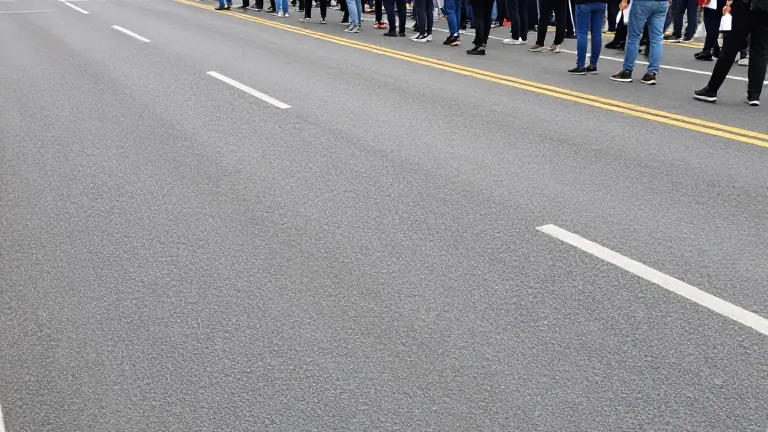
A new analysis by Armed Conflict Location & Event Data (ACLED) indicates the protest cycle in France has intensified sharply, with the number of daily demonstrations tripling the long-term average. The movement, which began in mid-September, is now in its 45th day, exceeding the typical duration of major social unrest events. ACLED CEO Clionadh Raleigh noted that the current rate is approximately 66 demonstrations per day, compared to a five-year average of 20.5.
The data covers the period from September 15 to October 30, during which more than 1,200 protests and riots involving at least 100 people occurred in France. These events focused on education, public services, and the cost of living. Raleigh highlighted that 24.2 percent of these events were classified as riots, a figure far higher than the 1.9 percent median recorded in previous cycles. The only comparable spike in violence occurred following the death of Nahel Merzouk in 2023.
The unrest originated in high schools, where students walked out of class over overcrowded classrooms and deteriorating buildings. By late October, the movement had expanded to include trade unions and the yellow vests group, broadening its scope to wages, fuel prices, and social housing. On October 17, government estimates placed the nationwide turnout at more than 500,000 people. By the most recent weekend, participation numbers had decreased, with the Ministry of the Interior counting 146,000 protesters across the country, including 46,000 in Paris. Unions estimated higher figures, citing 250,000 attendees nationwide and 75,000 in the capital.
Police responses to the demonstrations have drawn scrutiny from both domestic observers and international bodies. On October 28, four United Nations experts reported that the scale of arrests, which affected several thousand people mainly minors, appeared disproportionate. They also expressed alarm over the excessive use of force. In Lille, a teenager lost a hand when a grenade exploded during clashes between school protesters and police. In Paris and Lyon, security forces deployed tear gas and batons, with roughly 70,000 personnel deployed for the latest rallies.
The movement is not limited to France. ACLED data shows that more than 1,700 similar protests and riots took place across Europe during the same period. Demonstrations over living costs and wages have occurred in 30 countries, ranging from Portugal to Poland. Spain recorded 173 events, Italy 160, and Germany 70. In Spain, tens of thousands rallied after parliament rejected emergency housing decrees on October 2. Alberto Alemanno, a professor of European Union law at HEC Paris, stated that France is the epicenter of this movement and that it is now spreading beyond the country's borders.
The next major test for the government will be as unions plan further actions to support the ongoing grievances. The movement continues to evolve from a student-led initiative into a wider coalition challenging economic conditions and public service delivery.