Abu Dhabi Talks Begin Amid Doubts Over Russia's Willingness to Concede Territory
The first US-Ukraine-Russia negotiations since February open in Abu Dhabi, with Moscow insisting on full Donbas control and Washington proposing a wider European security framework.
By Matthew Qureshi ·

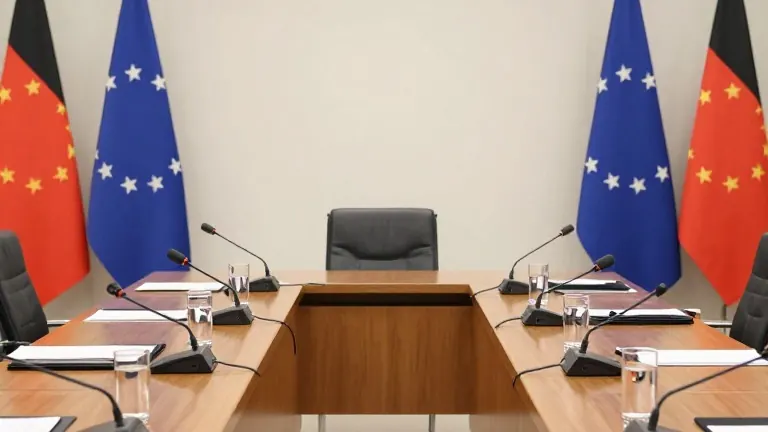
Negotiators from the United States, Ukraine, and Russia will meet in Abu Dhabi on November 10 and 11 to discuss ending the war. President Donald Trump told CBS on November 8 that the conflict is "going to end soon," but diplomatic experts say the odds of a breakthrough are low. The talks represent the first trilateral meeting since February and occur just one week after US voters handed Democrats control of both chambers of Congress.
A primary obstacle is the status of the Donbas region. The Kremlin states that Russian control over the entire Donetsk area is a prerequisite for peace, not a subject for negotiation. Moscow claims it will continue military operations to take the remaining territory if diplomacy fails. Ukrainian President Volodymyr Zelenskyy has maintained that Russia cannot be handed land that Ukrainian forces have defended. This portion of Donetsk serves as a defensive infrastructure belt, and ceding it would leave Ukraine more vulnerable to future attacks.
Trump has proposed a "big, beautiful agreement" that extends beyond Ukraine. Jared Kushner, the US special adviser attending the talks, described the need for a broader European security architecture. He stated that no country would have a veto over another’s sovereign choices. However, the phrasing raised concerns in Kyiv and Brussels that Europe could be excluded from decisions about its own future. EU foreign policy chief Kaja Kallas said any agreement must include the European Union to be implemented.
The timing creates pressure for the White House. The new Congress will not be seated until January 3, leaving a several-week window for the administration to finalize a deal. Analysts suggest Moscow is using the negotiations to buy time. Vladimir Medinsky, the Kremlin aide leading the Russian delegation, is a historian and former culture minister who has previously led talks without achieving progress. Critics, including former Russian diplomat Boris Bondarev, have described Medinsky as a second-tier figure not to be taken seriously in high-stakes diplomacy.
Military conditions on the ground remain volatile. Russia is expected to continue striking Ukrainian power plants and vital infrastructure during the winter. Analyst Mark Galeotti predicted that peace will not arrive before spring, noting that Putin will likely use the winter to hammer Ukraine. Sam Greene, a professor at King's College London, wrote that Moscow aims to inflict a "calamitous" winter and expects European elections in France and Germany to weaken support for Kyiv by the following spring. Greene’s baseline assumption is that the Abu Dhabi talks will yield nothing of substance.