Montana judge pauses law that would limit student voter registration
A state court ruling keeps existing residency rules in place for college students, allowing them to register and vote in the counties where they attend school during the current term.
By Matthew Qureshi ·
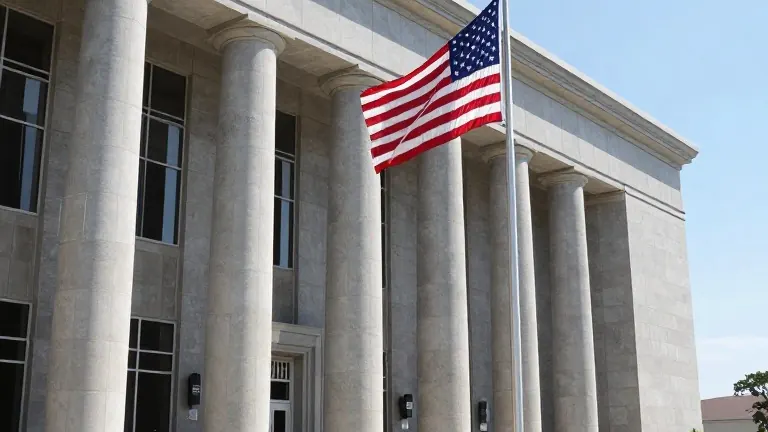
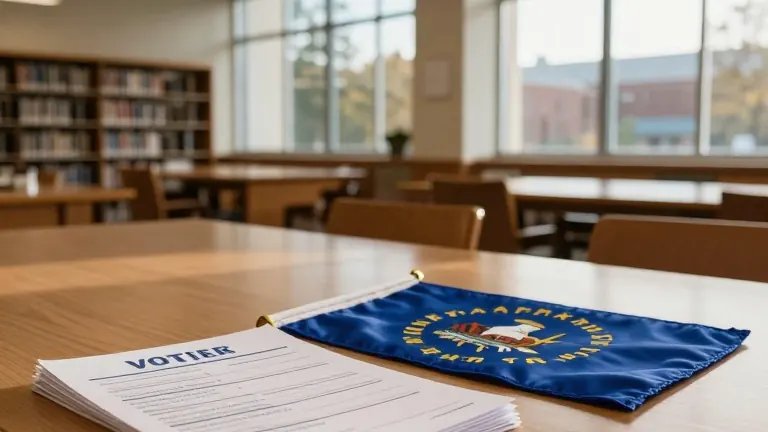
A legal battle over where college students can vote has reached a critical pause in Montana. A state judge has blocked a new residency law that would have forced students to prove they intend to stay in the state permanently before they can register to vote. This interim decision ensures that the previous rules remain in effect for the upcoming midterm elections.
The dispute centers on a statute passed last year by Montana's Republican-controlled legislature. The new law introduced a specific restriction for residents enrolled in an 'educational program.' Under this provision, a 'temporary' resident could only register in a Montana county if they intended to make that county or the state their permanent home upon completing their studies.
Montana law generally allows a U.S. citizen who is 18 or older to register to vote if they have lived in the state for at least 30 days. The new requirement added a layer of intent that advocates argued created a barrier for students. The Montana Public Interest Research Group, a student advocacy organization, filed a lawsuit challenging the change. They argued the law could disenfranchise thousands of eligible students by limiting their ability to participate in local governance.
State officials defended the measure in court filings, claiming the restriction does not apply to students attending colleges and universities. They argued that interpreting 'temporary' to include degree seekers would make the word meaningless. According to the state, no one understands obtaining a two, four, or eight-year degree as a temporary endeavor. They maintained that the law targets individuals in short-term programs rather than traditional four-year degree candidates.
Missoula County Judge Jason Marks did not accept that interpretation. In February, he determined that the restriction likely violates the Montana constitution. After holding a hearing this month, the judge is now preparing a final ruling in the case. Until that decision is issued, the older residency standards stand. This means students can continue to register in the counties where they live and study.
The case has drawn attention to broader questions about voter residency. In the United States, voting rights are tied to residency, and state governments define who qualifies. Federal law establishes ground rules to ensure that specific groups, such as students, are not treated differently from other new residents. Michael Hanmer, a professor of government and politics at the University of Maryland, notes that college students must be treated the same as anyone else who is new to a particular location.
Hanmer explained that voters have the right to choose a domicile, which is their single, fixed, and permanent principal home. For many students, this choice is highly personal and depends on their individual plans after graduation. Yael Bromberg, an attorney and co-editor of Youth Voting Rights, emphasized that determining domicile is an individualized assessment. She noted that a student who does not know where they will live after graduation makes this decision based on their specific circumstances.
Experts suggest that the Montana case serves as a reminder of how residency laws function. While students have the right to choose where to register, they may face additional administrative requirements in some states. These can include obtaining a new state ID or changing vehicle registration. Hanmer pointed out that while states can impose these restrictions on new residents, they must apply them to all newcomers, not just college students. This ensures that the rules remain consistent across different groups of voters.