Cuban and Peruvian migrants say they were left detained in Africa without ID
Two women describe being moved last week to a detention center with roughly 80 others, citing a lack of identification and legal clarity.
By Matthew Qureshi ·
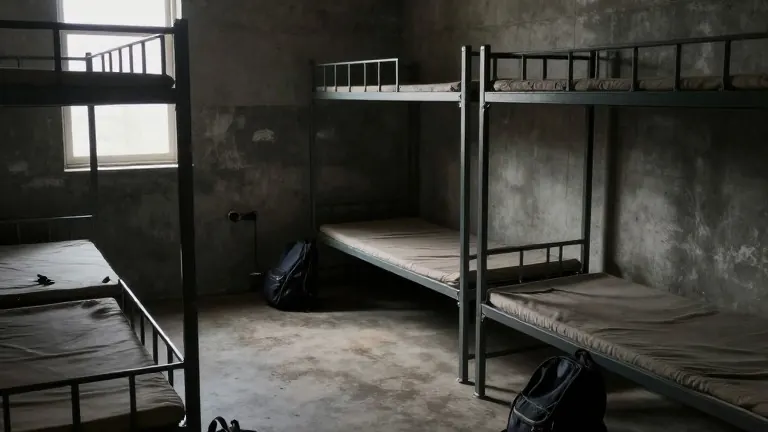
Two women say they were transported to Africa last week and are currently held in a detention facility with about 80 other migrants. Diolina Pintado, a Peruvian national, and Belsi Roxana Cardoso, a Cuban citizen, reported that they were moved without prior notice of their destination.
Pintado stated that officials arrived and took them away without explanation. "No me dijeron: te vas a este país o te vas a África. No me dijeron nada, simplemente llegaron, me sacaron y vámonos," she said. Cardoso added that the group did not receive passports or any other form of identification upon arrival.
Yasmani Moreno, another Cuban deportee, shared images of the group on social media. The Department of Homeland Security was contacted to verify the number of individuals moved and the conditions of the transfer, but had not responded as of Tuesday.
Immigration attorney Laura Jiménez questioned the legality of the expulsions. She argued that the conditions required by bilateral agreements with third countries were not met. Jiménez noted that some migrants were sent without proper guarantees, potentially violating due process in immigration law.
Activists and officials criticized the administration's deportation policies, focusing on the vulnerability of Cuban citizens. Former Representative Joe García pointed to the Cuban Adjustment Act, stating its provisions are clear. Families expressed fear for the safety and health of their relatives, who they say are under surveillance and lack adequate legal counsel.
The partner of one Cuban migrant described the situation as a confinement, saying, "Prácticamente están presas ahí." Cardoso said the group remains uncertain about their next steps. "No se sabe qué va a pasar con nosotros porque nadie nos da una respuesta," she stated.
A federal lawsuit challenging the deportations to third countries is pending. Jiménez explained that legal arguments regarding the agreements and transfer conditions will be heard by the Supreme Court on December 9. The outcome could determine the validity of the expulsions and the options available for affected individuals to return to the United States.