NOAA warns of historic El Niño impact
Forecasters predict a warmer, wetter winter for most of the U.S., with severe flooding risks on the coasts and drought relief in the Southwest.
By Rebecca Foster ·
The National Oceanic and Atmospheric Administration predicts this winter will be warmer and wetter than average for much of the continental United States. The agency attributes these conditions to a powerful El Niño event that is currently shifting global weather patterns. Ken Graham, director of the National Weather Service, called the current system a strong, if not historic, El Niño.
Graham stated at an October media briefing that seasonal predictions help cities allocate resources and prepare for risks. He noted that earlier and better decisions save lives. Forecasters caution that while El Niño increases the odds of certain weather events, it does not guarantee they will occur.
Josh Willis, a climate scientist at NASA’s Jet Propulsion Laboratory, described the event as a monster stretching across the ocean. He explained that the warm water releases heat into the atmosphere, causing severe drought and wildfires in Indonesia and Southeast Asia. Meanwhile, the pattern kicks up hurricanes and high tides along the Pacific coast.
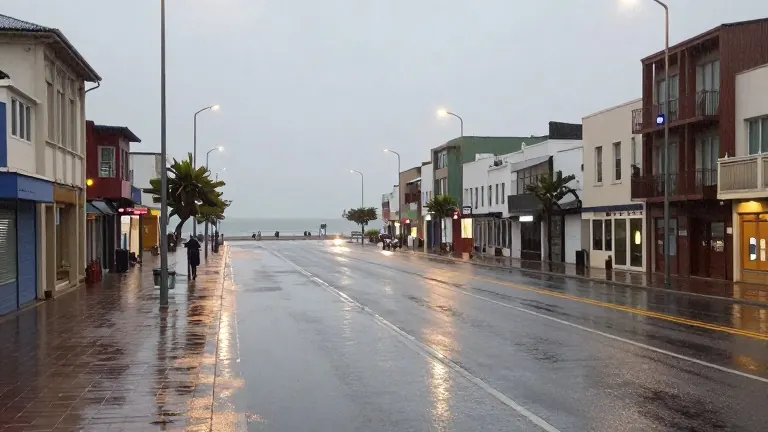
On the West Coast, a Kelvin wave raised sea levels in early October, contributing to coastal flooding from Tropical Storm Rachel. Dillon Amaya, an assistant professor at North Carolina State University, said these waves load the dice for flooding. Another wave is currently moving between Los Angeles and San Francisco, with several more expected through early winter.
The Southwest is already experiencing the wetter conditions. Severe flooding in the Four Corners region forced rooftop rescues in late October. Daniel Swain, a climate scientist at the University of California, linked the heavy rains to record-warm ocean waters driven by El Niño and a marine heat wave. However, he warned that this rain will not fix the ongoing water crisis in the Colorado River basin.
The South has the highest chance of above-average precipitation this winter. Northern Texas and parts of Georgia and South Carolina are expected to see heavy rain. Florida is bracing for downpours in areas that rarely see them. This follows a quiet hurricane season with only one named storm, Isaias, hitting the state.
The Midwest is likely to see smaller snowpacks due to warmer temperatures. Michigan, Ohio, and Indiana tend to stay dry during El Niño winters, while Iowa may get more rain. Gottschalck, a meteorologist for NOAA, said drought conditions in the Midwest are expected to persist and may even worsen.