Venue Owners Sue Over Orlando Night Fees
Federal court now weighs whether the city's late-night police surcharge is constitutional.
By Matthew Qureshi ·
A federal lawsuit has moved to the 11th U.S. Circuit Court of Appeals, where venue owners are challenging the constitutionality of Orlando's After-Midnight Alcohol Sales permit program. The dispute centers on whether the city can require specific businesses to fund police services for the entire Downtown Entertainment District.
The city established the program in May 2023. It mandates that venues serving alcohol between midnight and 2 a.m. pay fees to cover additional public safety costs. The National Independent Venue Association joined the dispute, urging officials to suspend the charges and negotiate a new approach with business leaders.
Eric Fuller, owner of Celine Orlando, states his venue pays nearly $10,000 monthly for the service. He argues the burden is unfair because only 23 of roughly 60 downtown businesses currently pay these fees. Fuller said the expense forced the venue to cut staff and delay maintenance upgrades.
“We’re paying almost $10,000 a month for a service that’s provided to an entire district,” Fuller said. He added that the venue had to let people go and pull back on reinvesting into the space.
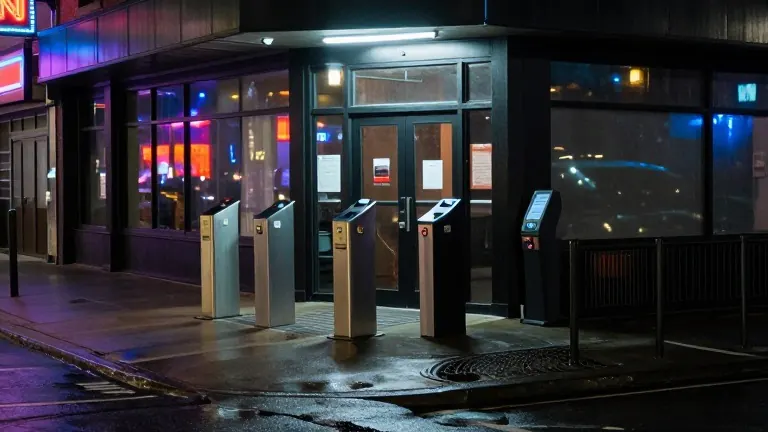
The program also requires participating businesses to install metal detectors and identification scanners. Fuller contends the costs are not distributed fairly among the district's operators. “Those have to stop,” he said regarding the current fee structure.
In a Nov. 4 letter, the National Independent Venue Association called for a suspension of the program to allow for dialogue. The group argues the fees have caused financial strain that led some independent venues to close.
City officials defend the initiative as a tool to improve downtown safety. A city spokesperson stated the permit program offsets a portion of public safety costs while noting the city also funds local law enforcement. Officials cited a 20% reduction in overall downtown crime as evidence of the strategy's success. The city also created the SAFE grant program to help eligible businesses pay for security improvements like surveillance cameras.
Fuller supports the goal of a safer downtown but believes the financial responsibility should not rest on a limited group of businesses. “I think the city should end the AMS as soon as they can and bring everyone to the table for dialogue,” he said.