NTSB recovers voice recorder from Learjet crash that killed nine in Florida
The device will be tested in Washington to determine if it holds audio from the fatal descent into severe weather.
By Aiko Brooks ·
The National Transportation Safety Board confirmed on Monday that it has recovered the cockpit voice recorder from the Learjet that crashed in Florida on November 1. The business jet, which was en route to the Bahamas, struck the ground and ignited, killing all nine people on board. The agency stated that the device is currently being evaluated at a laboratory in Washington.
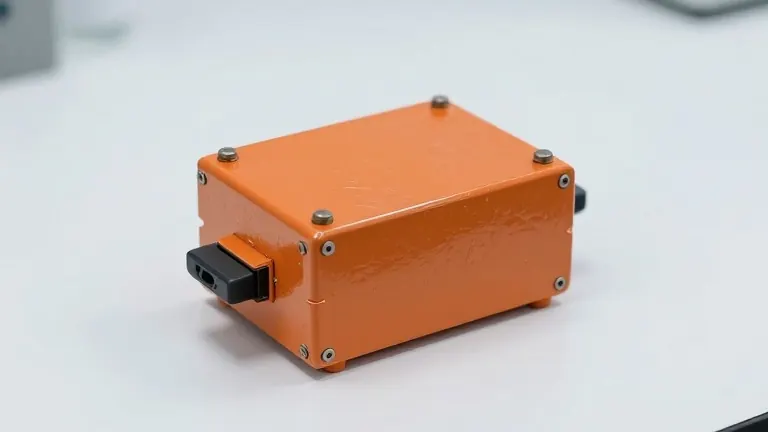
Recovering the data from the unit could reveal what the pilots said to one another as they battled turbulence and ice buildup on the wings. The jet lost control before slamming into the earth. It is not yet known if the hardware sustained damage during the impact or if it was operational at the time of the accident. Photos released by the NTSB show the orange-painted metal shell appears intact. Jeff Guzzetti, an aviation safety expert, told the Associated Press that it is plausible the information survived. He noted that if the unit is from the accident flight and data can be extracted, it will be a major asset for the investigation.
Guzzetti cautioned that the device may not function. He pointed to a medical transport plane crash in Philadelphia in January 2025. In that incident, the voice recorder was found to have likely been malfunctioning for several years prior to the crash, which claimed seven lives.
Witnesses filmed the Learjet plunging nose-first into the ground. Air traffic control recordings captured the pilots describing vertical movements of more than 700 feet. The co-pilot requested a different route through the area. The flight path remains a focus for investigators. The aircraft appeared to steer around a large storm cell but then entered a smaller, rapidly developing one. Debris from the tail elevator, which controls the plane's pitch, was found more than a mile from the main crater. This distance confirms the plane began to break apart before impact.
The NTSB has roughly 400 workers currently pursuing over 1,200 active investigations. A standard investigation takes between 12 and 18 months, though complex cases can extend that timeline. The agency will now review maintenance records and history of issues with the specific aircraft. Investigators will also interview staff from Upper Jets, the operator of the flight. They plan to speak with air traffic controllers and personnel at the Austin, Texas airport, the point of departure.