Kenya Weighs Mining Deal Amid Local Protests
Officials plan to name a winner for the Mrima Hill project within weeks, while residents worry about land loss and a sacred forest.
By Aiko Brooks ·
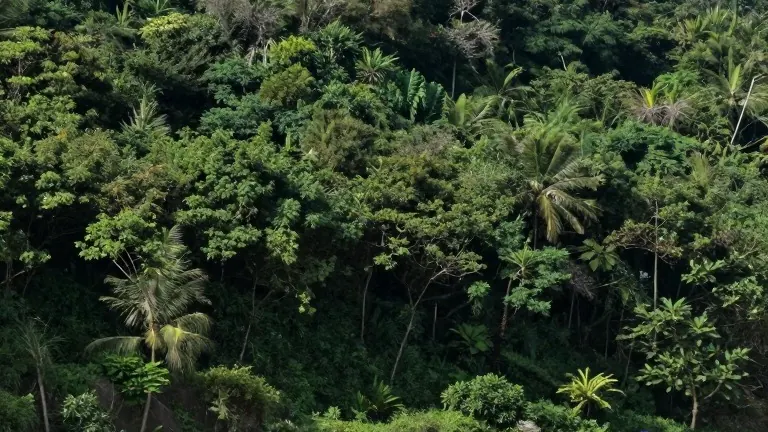
Kenya plans to select a winner for a major mining project at Mrima Hill within two to three weeks. The announcement will conclude a bidding process for the development of niobium and rare earth elements beneath a forested area near the country's Indian Ocean coast. The move aims to position the nation as a competitor in the global supply of minerals used for electric vehicles and defense systems.
Mining Minister Hassan Joho told The Associated Press that a technical committee is currently evaluating five proposals. The ministry has kept the nationalities of the bidders confidential. However, Australian firm RareX confirmed that its consortium with Iluka Resources submitted a technical and financial proposal on October 21. Critical Metals Corp., a Nasdaq-listed company, stated in July that its group was shortlisted for the final stage of bidding.
Local residents say they have received limited information about the scope of the project. Justus Mwero, chairman of the Mrima Farm Owners Community-Based Organization, said the group of about 500 registered farmers has not been formally informed of the process. "We don't know how people are going to be looked after, or what impact the project will have," Mwero said. Farmers gathered near the main road in Mrima to discuss the plans, expressing concern that relocation might force them onto less fertile land.
The site holds cultural significance for the Digo community. Masoud Suleiman Mwarizo, chairman of the Mrima Hill Digo Community Trust, noted that the area contains a sacred forest, or kaya, where ancestors are buried. The forest reserve was designated a national monument in 1992. Mwarizo said the community will refuse any digging of the hill if it threatens their traditions. Rama Bindo, the trust's treasurer, warned that farmers without formal title deeds face a higher risk of losing their land.
The government aims to increase mining's contribution to the gross domestic product from about 1% to 10% within a decade. A 2013 estimate placed the project's potential gross revenue at $62 billion over 23 years, though that figure excluded development costs. Joho stated that the ministry consulted with the community before advertising the tender. He said the ministry will formally introduce the winning company to residents so they can reach agreements.
Legal challenges continue in the courts. The Centre for Litigation Trust filed a petition on June 22 asking the High Court in Kwale to suspend a proposed Kenya-U.S. agreement for the project. The group argued the bidding process lacked transparency. Kenya's attorney general challenged the court's jurisdiction, with a ruling on that objection scheduled for November 6. No court order currently blocks the implementation of the agreement.
Under Kenya’s Mining Act, a license holder must sign a community development agreement and compensate landowners before mining begins. Harry Kimtai, principal secretary at the Mining Ministry, said communities will be encouraged to engage directly with the winner. The National Environment Management Authority did not respond to questions regarding environmental assessments. RareX said its proposal included securing community support and studying whether the deposit could support underground mining.