Democrats seize Congress, target Trump
New congressional leaders vow to investigate presidential policies and push cost-reduction bills in the first 100 days.
By Rebecca Foster ·
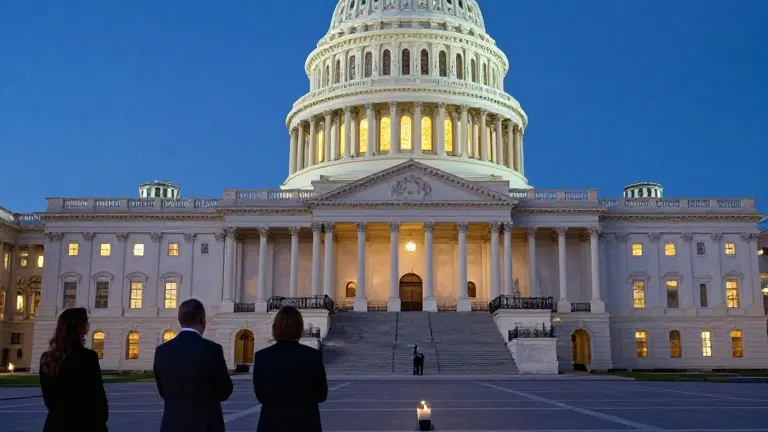
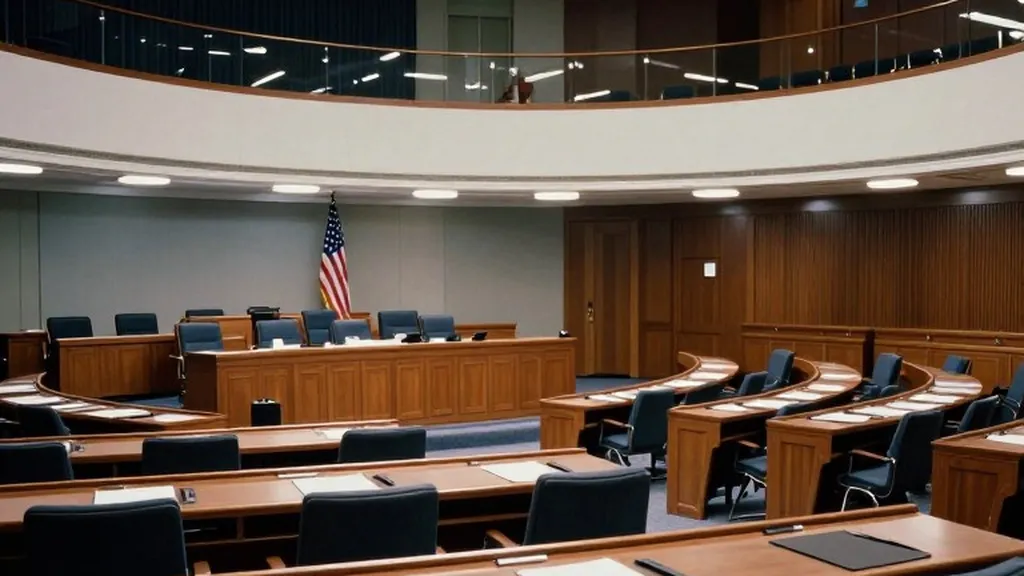
Democrats have won control of both chambers of Congress, shifting the balance of power in Washington and placing President Donald Trump on the defensive during his final two years in office. The new majority in the House and a strengthened position in the Senate give Democratic leaders the tools to launch investigations and potentially impeach the president or his Cabinet members.
House Democratic Leader Hakeem Jeffries of New York outlined a 100-day agenda focused on lowering the cost of gas, groceries, and other goods. His team also plans to reverse recent cuts to the Affordable Care Act and Medicaid programs. Jeffries described the upcoming oversight effort as a move to “hold the crooks accountable.”
The shift reverses a trend of congressional acquiescence that defined the first two years of this term. It mirrors the dynamic of Trump’s first term, when House Democrats impeached him twice after winning the midterms. With Senate control, Democrats can also block Trump’s nominations for Cabinet posts and lifetime federal judgeships.
Trump campaigned aggressively for his party, telling voters to “pretend I’m on the ballot” as he visited conservative states. He warned of a Washington dominated by Democrats. However, the election results showed widespread rejection of his handpicked candidates and concerns about high living costs driven by his war with Iran and tariff policies.
During a Fox News interview that aired early Wednesday, Trump attempted to distance himself from the losses. He stated that Democrats “did a good job” in their campaigns and blamed Republican candidates for the results. “I don’t view it as a hit on me,” he said. Trump watched the election returns at the White House with his advisers and Cabinet members.
Senior Democrats have identified specific targets for their inquiries, including the Trump family’s business dealings and the administration’s handling of the Jeffrey Epstein investigation. They also plan to examine interactions between government officials and private corporations seeking influence with the White House. Rep. Robert Garcia of California, the top Democrat on the House Oversight Committee, issued a brief warning to the administration: “Lawyer up.”
Sen. Ron Wyden, the top Democrat on the Senate Finance Committee, signaled his approach with a one-word message: “Subpoenas.” A Democratic majority brings control of committees, larger budgets, and subpoena powers that can compel the administration to respond. The White House may reuse its strategy from the first Trump administration, which involved slow-walking document requests and asserting executive privilege.
Trump has prepared for legislative clashes, asserting he has a “strong veto.” On Tuesday night, he posted an image of his signature red ball cap with the word “VETO” stitched on it. Senate Democratic Leader Chuck Schumer of New York told the American people, “Relief is on the way.”
Republicans face their own challenges as their numbers shrink. Speaker Mike Johnson joked that he might return to Shreveport, Louisiana, to start a lawn care company if his party lost power. Rivals are now seeking to replace him. The party must decide what went wrong during the post-election lame-duck session, with little hope of passing another major tax and spending bill before defeated lawmakers leave.
Conservatives had hoped for a Supreme Court nomination while Senate Republicans held a majority, but no justice has announced plans to step aside. The government faces a potential federal shutdown next month if Congress fails to pass a funding bill. The parties will hold internal leadership elections as new members arrive for orientation, and the House will vote on its speaker as the first action of the new Congress.