Pentagon Chief Bans Insider Betting to Protect Troops
Defense Secretary Pete Hegseth issued a strict directive prohibiting service members from wagering on military outcomes using nonpublic data, citing risks to operational security and troop safety.
By Mykola Bondarenko ·
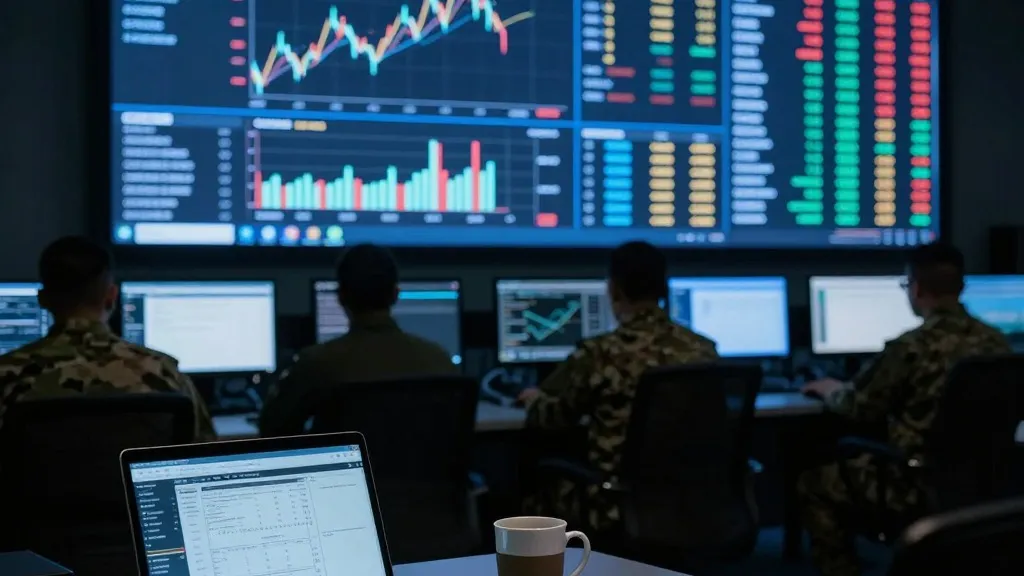
The Department of Defense has moved to curb the growing practice of military personnel wagering on geopolitical events, asserting that such bets create dangerous signals for hostile intelligence agencies.
Defense Secretary Pete Hegseth released a formal memo on October 20, directing senior leadership across the Pentagon, Combatant Commands, and field activities to enforce a new standard of conduct. The directive, titled “Do Not Compromise Military Operations for Personal Financial Gain,” explicitly targets the use of nonpublic information in financial transactions related to military outcomes.
Hegseth argued that enemy nations actively monitor shifts in prediction markets to gain insights into U.S. strategic intentions. He stated that when a service member, intelligence professional, or civilian employee places a bet based on inside knowledge, they generate a detectable signal. This signal can be aggregated and correlated by foreign intelligence services to predict American movements, targets, and timing, thereby undermining the element of surprise that protects troops in the field.
The memo establishes a broad prohibition covering all financial platforms, including traditional betting services and specialized prediction markets like Polymarket and Kalshi. Hegseth specified that the rule applies regardless of whether the nonpublic information is classified or unclassified. The core instruction is that no Department of Defense personnel should engage in any financial transaction informed by knowledge that is not available to the public.
This guidance follows recent high-profile incidents that highlighted the vulnerability of military operations to financial speculation. In April, a U.S. Army soldier was arrested and charged with utilizing confidential information to place bets on Polymarket regarding the timing of the military’s capture of Venezuelan President Nicolás Maduro. The soldier reportedly made $410,000 from these wagers, a case that drew significant attention to the intersection of military intelligence and private betting markets.
Further scrutiny came in August when the Anti-Corruption Data Collective published a report identifying 152 suspicious digital wallets. The group found that these wallets placed longshot bets on various military and defense-related markets, resulting in combined winnings of approximately $8 million. These findings suggested a pattern of activity that could be linked to individuals with access to sensitive operational details.
Hegseth emphasized that the primary goal of the memo is to protect the men and women serving in the armed forces. He wrote that service members deserve a force that shields them from enemy knowledge rather than one that exposes them for personal financial gain. The Secretary stressed that the lives of troops often depend on the enemy’s inability to anticipate what is coming, making the discipline of information control critical to mission success.
The directive marks a significant step in how the Department of Defense approaches financial conduct within its ranks. By extending the rules to all financial platforms, the Pentagon aims to close potential loopholes that might allow personnel to profit from nonpublic data. The memo serves as a clear signal that operational security now encompasses the digital financial behaviors of its workforce.
Outlook on the new policy suggests a more rigorous internal audit of financial activities among personnel with access to sensitive information. While the memo does not ban all betting, it strictly limits wagers that are informed by nonpublic knowledge. This approach seeks to balance the personal financial freedom of service members with the national security imperative of maintaining operational secrecy.
Source: Ars Technica