NHTSA Proposes Cyan Lighting Standard for Autonomous Vehicle Fleet
Federal regulators seek to unify robotaxi identification through a new blue-green light mandate while streamlining outdated safety requirements for driverless hardware.
By Imani Brooks ·
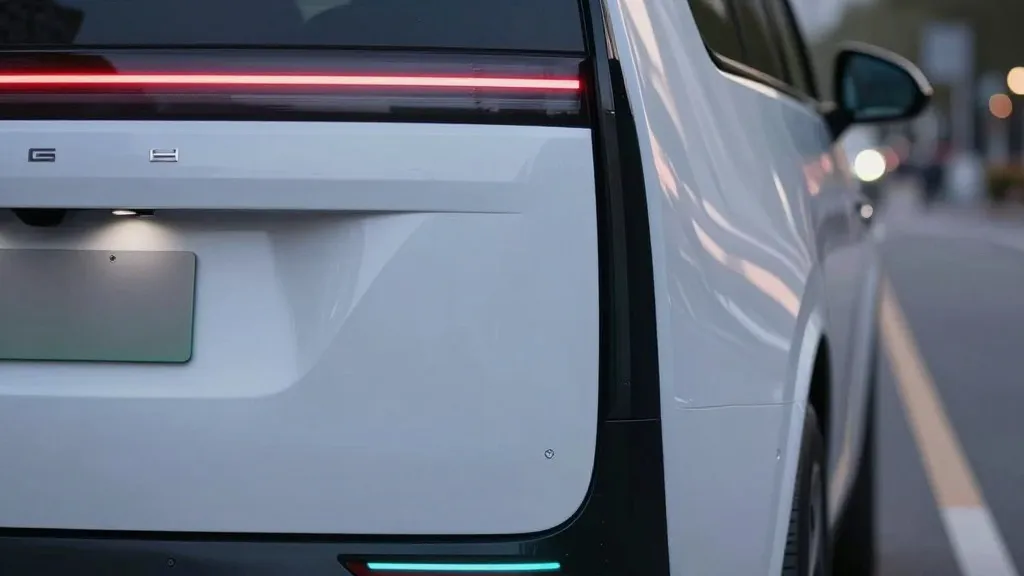
The automotive industry has spent years debating how to visually distinguish driverless vehicles from traditional cars, with proposals ranging from flashing text to audio alerts. The National Highway Traffic Safety Administration (NHTSA) has now intervened with a definitive proposal: a standardized cyan-colored light. This move aims to resolve the fragmentation in how autonomous vehicles communicate their operating status to law enforcement and other road users, creating a unified visual language for the growing fleet of robotaxis.
The regulatory landscape for autonomous driving has evolved gradually. For years, manufacturers like Mercedes-Benz experimented with state-level approvals for turquoise lights on Level 3 vehicles, though the automaker later shifted its strategy toward a Level 2++ system. Currently, the auto industry relies on a patchwork of red, amber, white, and flashing blue or red lights for standard functions. The proposed federal standard seeks to fill the remaining visual gap, offering a distinct signal that does not conflict with existing lighting conventions used for brakes, turn signals, or emergency vehicles.
Under the proposed changes to Federal Motor Vehicle Safety Standard (FMVSS) No. 108, cyan marker lamps would be optional for manufacturers. However, the rule would establish official federal standards for the color, brightness, and placement of these lights. This standardization ensures that if automakers such as GM or Mercedes, or operators like Waymo, Nuro, and Zoox, choose to adopt the feature, they do so with a consistent and legal setup. The goal is to prevent a confusing array of proprietary colors and signals as the technology scales.
Beyond the new lighting requirement, the NHTSA is proposing to remove several legacy requirements that are impractical for vehicles without human drivers. Current rules mandate physical hazard switches, manual beam shifters, and turn levers. The agency suggests eliminating these requirements, allowing manufacturers to design interiors without traditional controls. Additionally, the proposal updates the 12.8-volt testing standard to accommodate modern LED architectures, reducing administrative burdens for automakers building around new electronic systems.
This regulatory update is part of a broader Department of Transportation initiative to streamline the deployment of autonomous vehicles. The administration aims to make it easier for manufacturers to build cars without steering wheels or pedals, features historically required for human operation. By simplifying the compliance process, regulators hope to accelerate the integration of driverless technology into the national transportation infrastructure.
Despite the push for streamlined rules, regulators remain active in enforcing existing standards. Last month, the NHTSA opened an audit query into the Tesla Cybercab. The investigation examines the technical data and processes Tesla relied upon when certifying the vehicle. The audit focuses on the absence of specific design features, such as sideview mirrors, pedals, and a steering wheel, which are currently required under FMVSS. This tension highlights the ongoing balance between modernizing regulations for autonomous tech and maintaining strict oversight of current safety mandates.
Source: The Verge