Displaced Wolves: How Google's AI Expansion in Finland Pushed Predators Into Villages
The rapid construction of new data centers has cleared thousands of acres of forest, forcing local wolf packs to migrate into nearby residential areas and prompting a formal apology from Google.
By Ivan Petrov ·
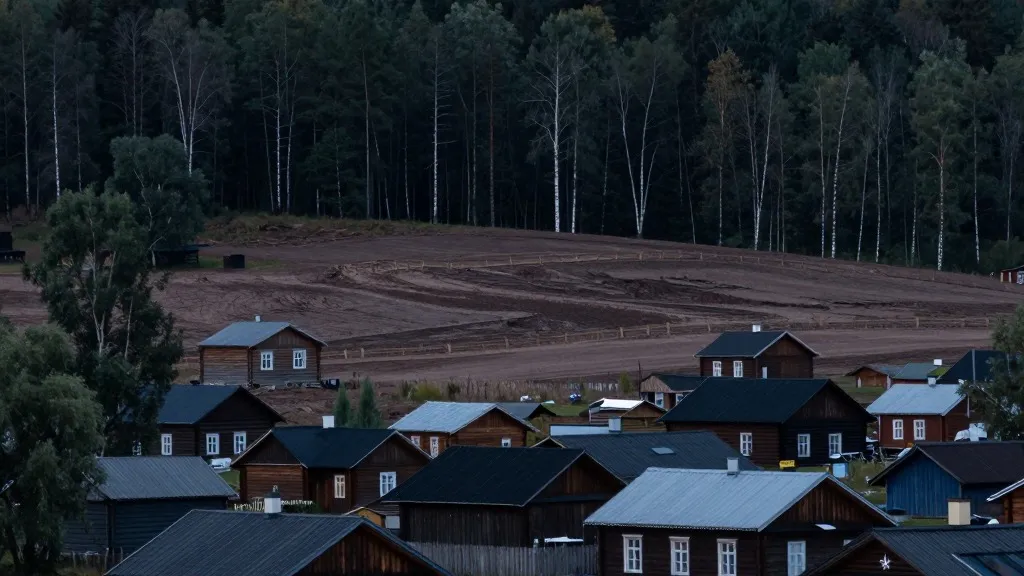
Google’s Finland country manager has issued a formal apology for unauthorized clearings of forest land near the town of Muhos. The American technology giant’s actions have transformed 816 acres of previously wooded terrain into a vast expanse of mud. In response to the growing local backlash and regulatory pressure, authorities have also ordered the company to halt construction activities in a separate area where roughly 500 additional acres of forest have been cleared. This site is located 55 miles southeast of the village of Otanmäki. The disruption to the local ecosystem has now reached a critical point, with displaced wildlife beginning to appear in human settlements.
The scale of the land alteration is significant, with a total of 1,300 acres of forest cleared across the two primary sites involved in the dispute. The clearing near Muhos has resulted in the creation of what locals describe as man-made muddy wastelands. Meanwhile, the work near Otanmäki has been paused by the Finnish Licensing and Supervision Authority, which issued a stop order to the company. These figures represent a substantial reduction in the green cover of the region, a change that has fundamentally altered the habitat for local fauna and the daily experience of residents living in the shadow of the new construction sites.
At the center of the conflict are the residents of Otanmäki and Muhos, who have watched their surroundings change rapidly in the name of artificial intelligence infrastructure. Anni Ranta, 53, a resident whose family has lived in Otanmäki for generations, described the immediate impact on the village. She noted that wolves have been seen entering the village because the wild animals were forced to move out of their forest homes. Ranta expressed concern that the displacement of these animals is creating a serious safety issue for the community, marking a shift from environmental complaints to direct human-wildlife interaction.
Beyond the ecological concerns, Ranta and other locals have voiced broader anxieties about the presence of the U.S.-owned data centers. She fears that the infrastructure makes Finland a more attractive target for Russian aggression, adding a geopolitical dimension to the local dispute. The anger is not limited to environmentalists; many families report that the change in the landscape has brought other wild animals into the countryside villages. This influx of wildlife into residential areas has heightened tensions and raised questions about the long-term safety of the communities surrounding the new facilities.
The situation has drawn sharp criticism from conservation groups. A representative for the Finnish Association for Nature Conservation stated that Google’s flouting of environmental policy has been unprecedented and clear. The Finnish Licensing and Supervision Authority agreed with this assessment, issuing the orders to cease development in both Muhos and the area near Otanmäki. Despite the regulatory intervention, Google has maintained a positive public stance. A spokesperson for the company said they would fully comply with the requests from the licensing authority and look forward to maintaining an active, open dialogue with all authorities to strengthen their partnership with Finland and local organizations.
This incident follows a pattern of complaints regarding the environmental effects of AI data center development, which has been observed in the United States and other countries. Local residents in Finland have grumbled about construction noise, streams turning brown, and rare bird species being pushed out of their habitats. These concerns suggest that the impact of the data center buildout extends beyond the immediate clearing of trees, affecting water quality and local biodiversity. The current dispute highlights the friction between the urgent demand for computing power and the traditional land use in Finland.
The stakes of this conflict are rising as the construction pause continues and the wildlife adaptation progresses. For Google, the issue is not just about completing the data centers but about maintaining its reputation and regulatory standing in the country. The company must be hoping that the touted business benefits of the data centers will sway the government and regulators to view the project favorably despite the initial missteps. However, the presence of wolves in villages serves as a tangible reminder of the cost of the rapid expansion.
As the dialogue between Google, the Finnish authorities, and local residents continues, the focus remains on remediation and future planning. The unauthorized nature of the clearings has put the company in a defensive position, requiring it to demonstrate strict adherence to environmental laws moving forward. The displacement of the wolf packs is a key indicator of the disruption caused, and how this situation is resolved will likely set a precedent for other large-scale technology infrastructure projects in the region.
The narrative of this story is one of rapid industrialization meeting established natural ecosystems. Google’s apology and the regulatory stop orders are the first steps in addressing the imbalance. The next phase will involve determining how the land will be managed, whether the cleared areas will be restored, and how the coexistence of the new data centers and the local wildlife, including the wolves, will be handled. For now, the muddy expanse where the forest once stood remains a stark symbol of the changes underway in Finland.
Source: Tom's Hardware