Democrats Win Midterms on Cost Concerns
Voters prioritized inflation over other issues, giving Democrats control of both chambers of Congress.
By Aiko Brooks ·
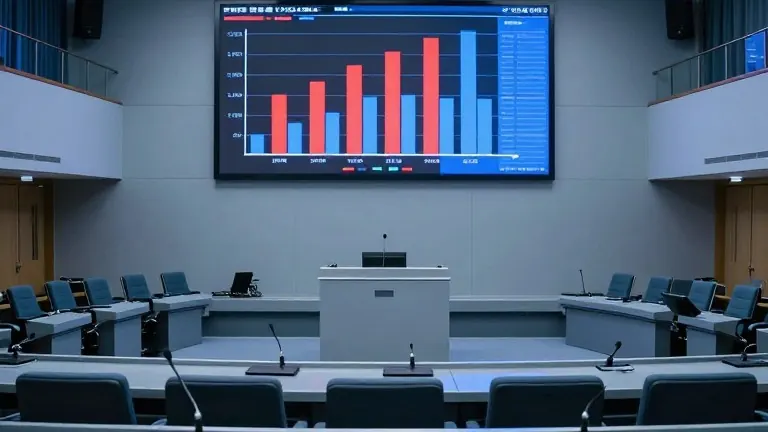
Democratic candidates captured both chambers of Congress in the November 3 midterm elections. The victory follows a widespread voter focus on the rising cost of living. Exit poll data from NBC News indicates that more than 80% of respondents worried about prices for gasoline, groceries, and healthcare. This economic anxiety drove a shift in voter trust, with more people this year favoring Democrats over Republicans to manage the economy.
The results set the stage for new legislative priorities beginning in January. Party leaders have identified specific bills to address the financial strain on households. These include measures to limit the president’s authority to impose tariffs. They also plan to reinstate previously cut healthcare funding. Additionally, lawmakers aim to reverse certain provisions in the 2025 tax bill, including Medicaid work requirements.
President Trump retains the power to veto any legislation passed by Congress. Democrats currently lack the two-thirds supermajority in either chamber needed to override such a veto. Despite this structural hurdle, the president indicated a willingness to collaborate with the new majority. This approach mirrors his earlier attempts to work with Democratic leaders after the 2018 elections. That period yielded limited legislative progress.
Incoming lawmakers have outlined specific policy goals to deliver on campaign promises. Senator-elect Abdul El-Sayed of Michigan cited a mandate to reduce the influence of money in politics and advance universal healthcare. Senator-elect James Talarico of Texas proposed eliminating tax benefits for the wealthiest households to lower costs for the middle class. Talarico also suggested free pre-kindergarten education for three and four-year-olds and expanded assistance for first-time homebuyers.
The 2026 election results contrast with promises made during the 2024 presidential campaign. President Trump pledged cheaper groceries, lower gas prices, and a surge in manufacturing jobs. Since taking office, prices have continued to rise, and the number of factory workers has declined. While the overall economy has grown, economists note that the benefits have disproportionately accrued to wealthy households. This disparity has left many Americans with a pessimistic view of their financial standing, even as unemployment remains low.
Specific policy actions have contributed to the current economic conditions. Tariffs introduced by the administration have increased consumer prices and created uncertainty in the manufacturing sector. The ongoing war with Iran has driven up energy costs and contributed to higher mortgage rates. Although the administration successfully implemented tax cuts, those savings have been partially offset by rising prices. A recent analysis by the Tax Foundation noted this offsetting effect.
In the lead-up to the election, President Trump frequently dismissed affordability concerns. He labeled them a hoax and attributed high costs to Democratic policies. During a rally in Georgia, he pointed to the profits generated by oil companies as a sign of economic strength. In Montana, he claimed that inflation was minimal and that prices had dropped. These statements came shortly after data from the Bureau of Labor Statistics showed that inflation had actually increased to 3.7% annually in September.
More Politics · National news · Report a business · Got a Story?