Corn smut is becoming a high-priced delicacy in the Midwest
Farmers, chefs, and retailers in St. Louis are turning a common crop fungus into a sought-after food item as weather patterns shift.
By Matthew Qureshi ·
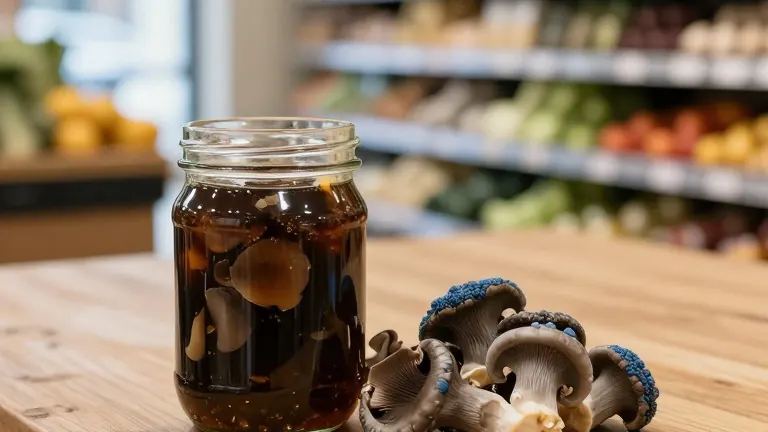
A fungus that infects corn kernels has moved from field discard to premium menu item in the Midwest. The growth, known as huitlacoche or corn smut, is now being sold for significant sums to restaurants and grocery stores in St. Louis.
The supply chain for this product is small and specific. A vegetable broker drives to an Old Order Mennonite community outside Fredericktown, Missouri, to collect the infected ears. The farmers at the Home Gardens Community Market in Farmington previously discarded the blue-tinged growths. Ephraim Brubaker, the market manager, stated that the community now sells the fungus for $10 a pound.
Huitlacoche is a tumor caused by a fungus that reprograms corn cells to divide uncontrollably. It requires specific weather conditions to form, including extreme heat followed by heavy rain. Dilip Shah, a scientist at the Donald Danforth Plant Science Center, explained that heat stress weakens the plant's immune system, allowing the fungus to exploit the tissue.
Trent Front, the Illinois state climatologist at the University of Illinois, noted that growing season temperatures and humidity are increasing in the region. He predicted that the next 20 to 30 years will likely see more conditions conducive to fungal growth. This shift in climate may provide farmers with an additional crop from fields that were previously affected by the fungus.
Retailers are adapting to the new demand. Local Harvest, a St. Louis grocery store, stocked huitlacoche for the first time this year at a price of $18.49 per pound. Manager Becca Widzer reported that customers frequently identified the product via social media. She placed the item near the corn on the shelves, though she acknowledged it could also be categorized with mushrooms.
Chefs in the area are incorporating the fungus into their dishes. Adrian Maldonado, executive chef at the restaurant Malo, serves huitlacoche as part of a tasting menu. He cooks the fungus in butter until it turns black, then adds lime and salt. Maldonado attributes the growing interest in the food to the increasing Latino population in St. Louis.
Beverage makers are also using the ingredient. William Esslinger, owner of Confluence Kombucha, bottles huitlacoche into fermented drinks. He slices the fungus, which has a layered interior, and adds it to kombucha. Esslinger said he uses humor to help customers overcome their initial hesitation toward the unfamiliar food.
The product is seasonal and available in limited quantities. The broker sources the fungus directly from farms where it appears on the corn. As weather patterns continue to change, more producers and consumers in the Midwest are familiarizing themselves with the fungus as a viable food source.