Barcelona seniors use cooking classes to fight isolation and share recipes
A 2017 initiative now involves 21 older residents teaching traditional Catalan dishes to tourists and students, addressing loneliness while preserving local culinary traditions.
By Matthew Qureshi ·
Loneliness among older residents in Barcelona has become a target for a specific culinary intervention. The program, known as Grandmas Cooking Barcelona, pairs senior citizens with visitors to teach traditional dishes that have largely disappeared from the city's restaurant menus. The model addresses two distinct needs: preserving local food culture and providing social purpose to the elderly.
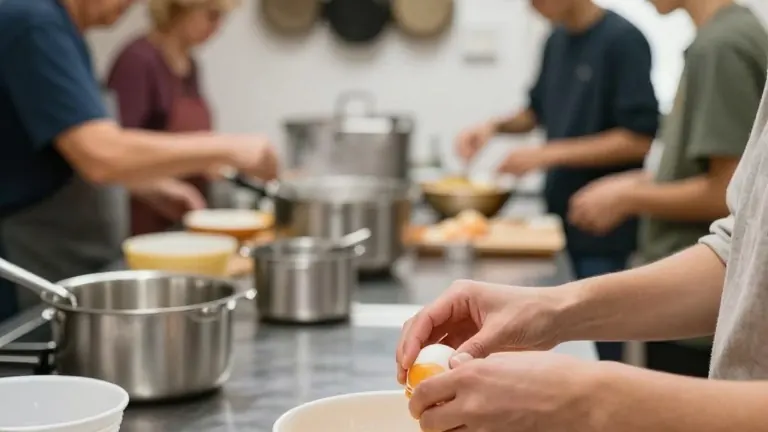
The operation currently employs 20 women and one man as instructors. These participants work at civic centers, social service organizations, and other venues across the city. They share cooking techniques, life lessons, and jokes with groups ranging from tourists to school classes. The instructors are compensated for their time and skill in these workshops.
Veronica Baena founded the organization in 2017. She started the initiative after observing grandparents at her son's school who had limited daily activities. Baena invited a few of them to cook in her home, which evolved into a formal program. She stated that the goal is to empower older people and help them integrate into the international city. "Yes, it's a gastronomic experience, but above all it's about the empowerment of older people," Baena said.
The instructors teach recipes that are rarely found in modern establishments. Nuria Isanda, 75, joined the group early on because of the aromas coming from her kitchen. She noted that many families no longer appreciate the food prepared by older relatives. For Isanda, the workshops serve as a platform that makes participants feel valued and useful in their community.
Recent workshops have been held for groups of American exchange students. In one session, students learned to make Spanish tortillas and zucchini ribbons. Sonia Castel, 63, taught the students how to flip pans to finish cooking the omelets. Castel joined the program last year after retiring from a career in hospital admissions. She said the interaction with foreign people made her feel more connected and more alive.
The instructors also emphasize sustainability and waste reduction. They teach students to save vegetable peels and skins in freezer bags to make stock later. Specific technical advice includes cracking eggs on a counter rather than the edge of a bowl to prevent shells from falling into the pan. These methods reflect traditional domestic practices that differ from professional restaurant standards.
Mason Kaufmann, a junior at Plymouth State University in New Hampshire, participated in a recent class. He described the experience as nerve-wracking but successful. After completing the flip, Castel asked for a kiss on the cheek, calling it the payment for the lesson. The program continues to expand its reach through partnerships with local institutions and schools.
The workshops provide a structured environment for social interaction. Participants leave the sessions with new skills and a sense of accomplishment. The organizers report that the joy of sharing food acts as a social bond. The program remains active in various locations across Barcelona, continuing to connect older residents with younger learners.
More Business · Consumer Watch · Report a business · Got a Story?